South Korea's New Synthetic Nicotine Regulations May Be Delayed Until Next Year

Dec.05.2024
South Korea's New Synthetic Nicotine Regulations May Be Delayed Until Next Year
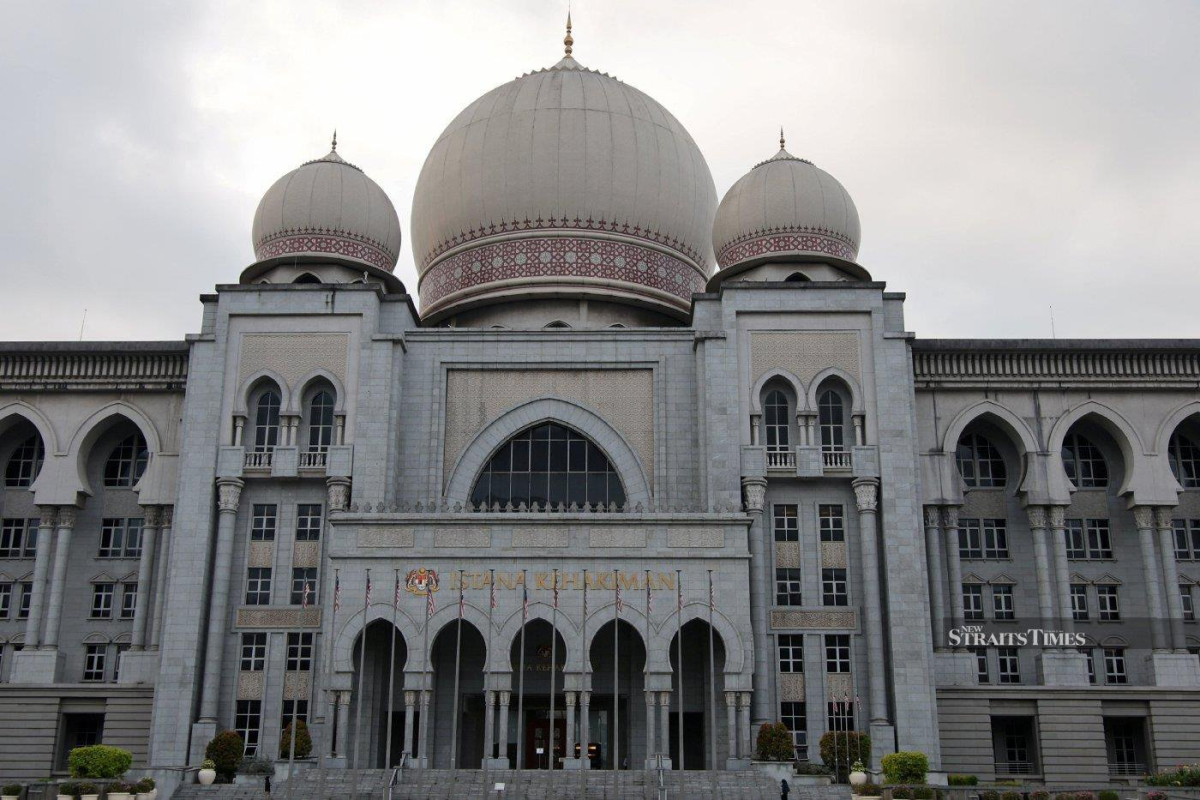
Due to the unprecedented martial law and tax rate issues surrounding synthetic nicotine tobacco, South Korea's National Assembly has postponed discussions on the revision of relevant laws following a public hearing. The new regulations on synthetic nicotine tobacco are expected to be delayed until next year.

According to a report by ET News on December 4th, new regulations governing synthetic nicotine tobacco in South Korea are expected to be delayed until next year. The discussion on amending the law has been postponed again by the National Assembly after a public hearing, causing confusion among lawmakers and the government about responsibility for the unprecedented martial law incident, and discussions on public welfare issues will be put on hold.


According to industry and congressional sources, the schedule for a public hearing on the proposed amendment to the Tobacco Business Act concerning the regulation of synthetic nicotine tobacco has not yet been determined by the Economic and Fiscal Committees Planning Committee. At the first meeting of the Economic and Fiscal Subcommittee held on the 27th of last month, ten proposed amendments to the Tobacco Business Act were discussed but not passed due to disagreements among ruling and opposition party members. It was decided thereafter to hold a public hearing to gather input from stakeholders, but progress has been slow.


Currently, the core issue regarding the amendment is whether synthetic nicotine tobacco products should be categorized under tobacco laws. Synthetic nicotine is currently classified as an industrial product rather than tobacco in the existing Tobacco Business Law, therefore it is not subject to relevant regulations.


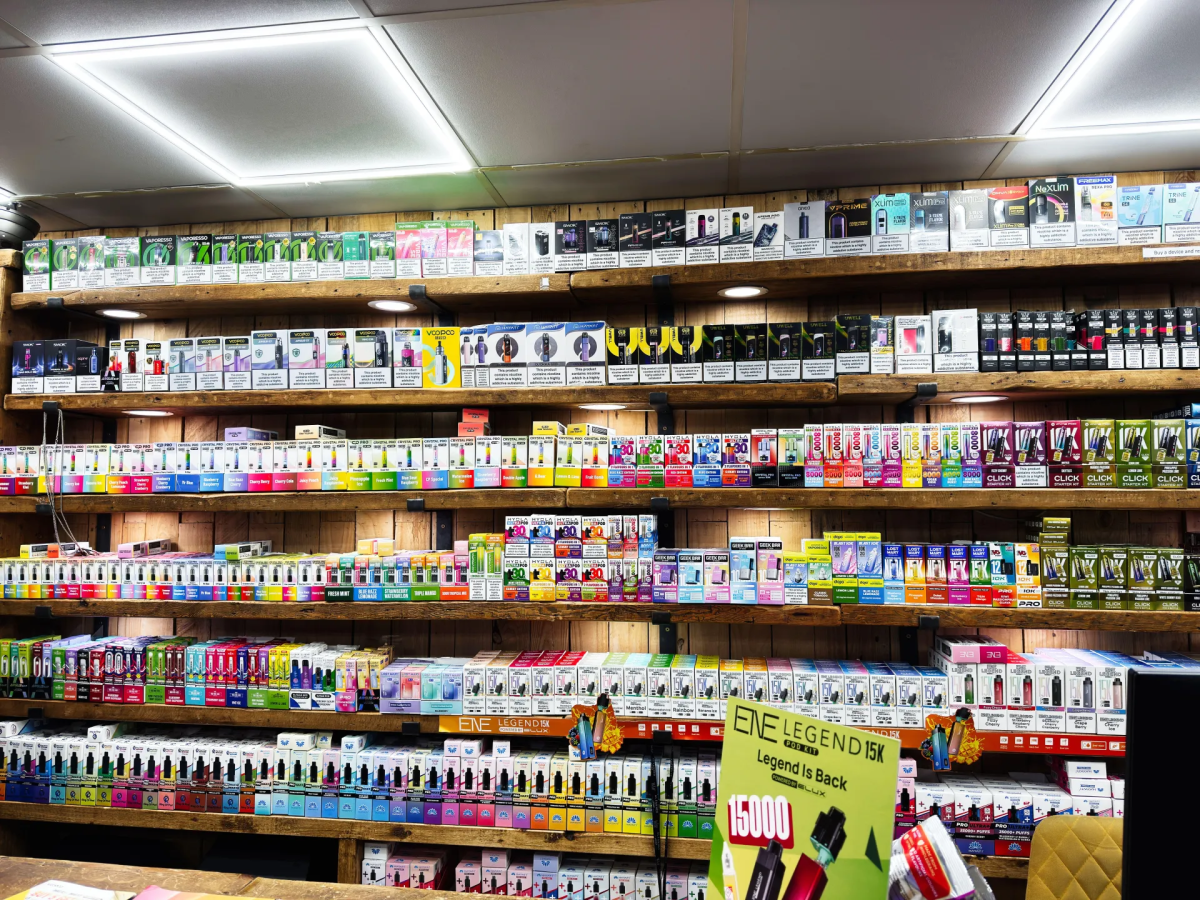
The South Korean government recently stated that the harm of synthetic nicotine e-cigarettes is equivalent to that of regular tobacco and should be regulated according to the "Tobacco Business Act." However, due to limitations in the legislative process and unresolved issues related to the tax rate of synthetic nicotine tobacco, this proposed legislation has not made substantial progress.


In addition, due to the imposition of martial law and other issues such as the regulation of synthetic nicotine tobacco, it is unlikely that the amendment to the Tobacco Control Act will be passed within the year.


An industry insider commented, "The harmfulness of synthetic nicotine tobacco has been established, and youth organizations and others have strongly called for regulation, so there is consensus on the need for it. The timing will depend on the National Assembly’s discussion schedule, but there is little disagreement on the need for regulation."


We welcome news tips, article submissions, interview requests, or comments on this piece.

Please contact us at info@2firsts.com, or reach out to Alan Zhao, CEO of 2Firsts, on LinkedIn


Notice

1.  This article is intended solely for professional research purposes related to industry, technology, and policy. Any references to brands or products are made purely for objective description and do not constitute any form of endorsement, recommendation, or promotion by 2Firsts.

2.  The use of nicotine-containing products — including, but not limited to, cigarettes, e-cigarettes, nicotine pouchand heated tobacco products — carries significant health risks. Users are responsible for complying with all applicable laws and regulations in their respective jurisdictions.

3.  This article is not intended to serve as the basis for any investment decisions or financial advice. 2Firsts assumes no direct or indirect liability for any inaccuracies or errors in the content.

4.  Access to this article is strictly prohibited for individuals below the legal age in their jurisdiction.


Copyright


This article is either an original work created by 2Firsts or a reproduction from third-party sources with proper attribution. All copyrights and usage rights belong to 2Firsts or the original content provider. Unauthorized reproduction, distribution, or any other form of unauthorized use by any individual or organization is strictly prohibited. Violators will be held legally accountable.

For copyright-related inquiries, please contact: info@2firsts.com


AI Assistance Disclaimer


This article may have been enhanced using AI tools to improve translation and editorial efficiency. However, due to technical limitations, inaccuracies may occur. Readers are encouraged to refer to the cited sources for the most accurate information.

We welcome any corrections or feedback. Please contact us at: info@2firsts.com

Special Report | Russia, Ukraine and Belarus Launch Fresh Push to Rein in Vaping
Russia, Ukraine and Belarus are tightening vape regulation through different tools, from Ukraine’s stronger enforcement push and Belarus’s proposed advertising restrictions to Russia’s new GOST standard and regional sales-ban mechanism. As black-market concerns persist, some Russian experts argue that China’s tightly controlled but legalised model — built around licensing, traceability and taxation — may offer a more effective alternative to blanket prohibition.
Jul.15
Data|China’s January-May Vape Exports: U.S. Shipments Fall 13.8% as Japan Posts Fastest Growth
According to China Customs export data analyzed by 2Firsts, the United States remained China’s largest destination for vape-related exports during January-May 2026 despite a 13.82% year-on-year decline in export value. Meanwhile, exports to Japan, Russia, Indonesia and the United Arab Emirates recorded strong growth, highlighting continued diversification across China’s export markets.
Special Report
Jun.29
2FIRSTS EXCLUSIVE|China Breaks Up $6.8 Million Illegal Hookah Tobacco Operation as Market Expands
Chinese authorities have dismantled an illegal hookah tobacco operation worth more than 46 million yuan ($6.8 million), detaining five foreign suspects and seizing over 500,000 boxes of tobacco paste. The case comes as hookah expands across China’s nightlife sector and attracts overseas operators, including former vaping entrepreneurs. It also raises a central regulatory question: whether waterpipe tobacco will follow China’s private-sector e-cigarette licensing model or be reserved for the state tobacco system, as with nicotine pouches, in the years ahead.
Jul.31
 $20 Million, a Permanent Injunction and Distributor Controls: Posh Deal Tightens Illinois Vape Compliance
$20 Million, a Permanent Injunction and Distributor Controls: Posh Deal Tightens Illinois Vape Compliance
An Illinois court ordered three companies tied to Posh vapes to pay $20 million and permanently restricted the sale, marketing and distribution in Illinois of products lacking required FDA authorization. The consent order also imposes downstream distributor controls, age-verification measures and social-media marketing limits, creating a new state-level compliance benchmark for disposable vape businesses.
Regulations
Aug.05
Supreme Vape Revenue Rises 15% Despite UK Disposable Vape Ban
UK consumer goods group Supreme said its vaping revenue rose 15% to £148.1 million in the year to March 31, 2026, despite the UK disposable vape ban taking effect during the period, while the company identified the Vaping Products Duty due in October as the next major industry milestone.
Regulations
Jul.03 by 2Firsts Perspectives
BAT New Categories Revenue Rises 18% in H1 2026 as Broad Portfolio Offers More Ways to Win—and Lose
British American Tobacco’s New Category revenue rose 18% at constant rates in the first half of 2026. Nicotine-pouch brand Velo expanded rapidly, while Vuse recovered as U.S. enforcement against illicit e-vapor products strengthened. Heated-tobacco platform glo remained under pressure, and cigarettes continued to provide most of the group’s profit and cash. Compared with PMI and JT, BAT has more routes to growth—but also greater regulatory, investment and execution risks across its broader portfolio.
BAT
Jul.30