TGA Crackdown on Illegal E-Cigarette Sales in Queensland

Aug.05.2024
TGA Crackdown on Illegal E-Cigarette Sales in Queensland
Australian authorities seize over 10,000 nicotine pouches and hundreds of illegal e-cigarette products in joint enforcement operation.

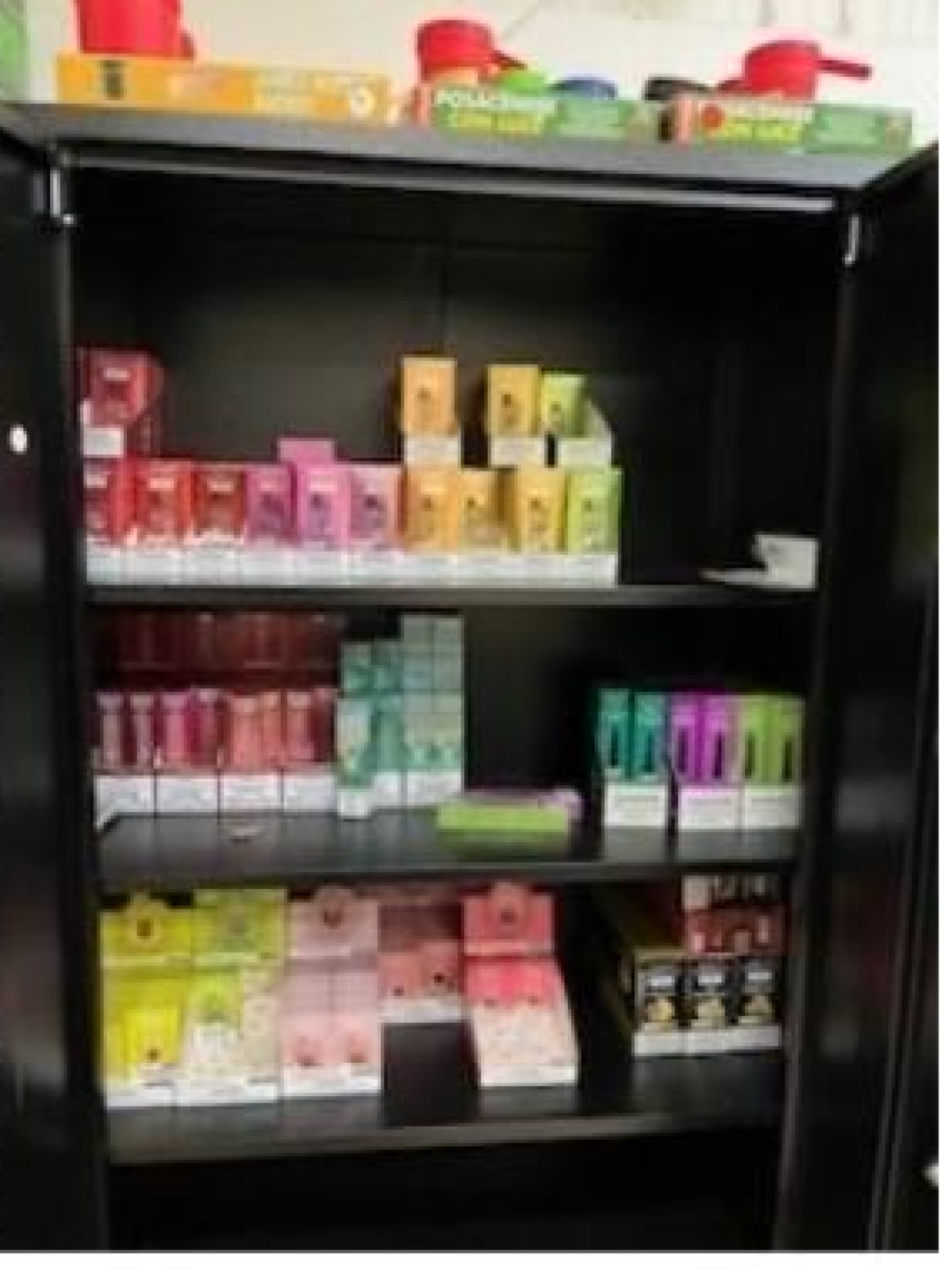
According to the official website of the Therapeutic Goods Administration (TGA) of Australia, on August 2nd, TGA and the Queensland Health Department seized over 10,000 nicotine pouches and hundreds of illegal e-cigarette products in a joint enforcement operation.
TGA Crackdown on Illegal E-Cigarette Sales in Queensland
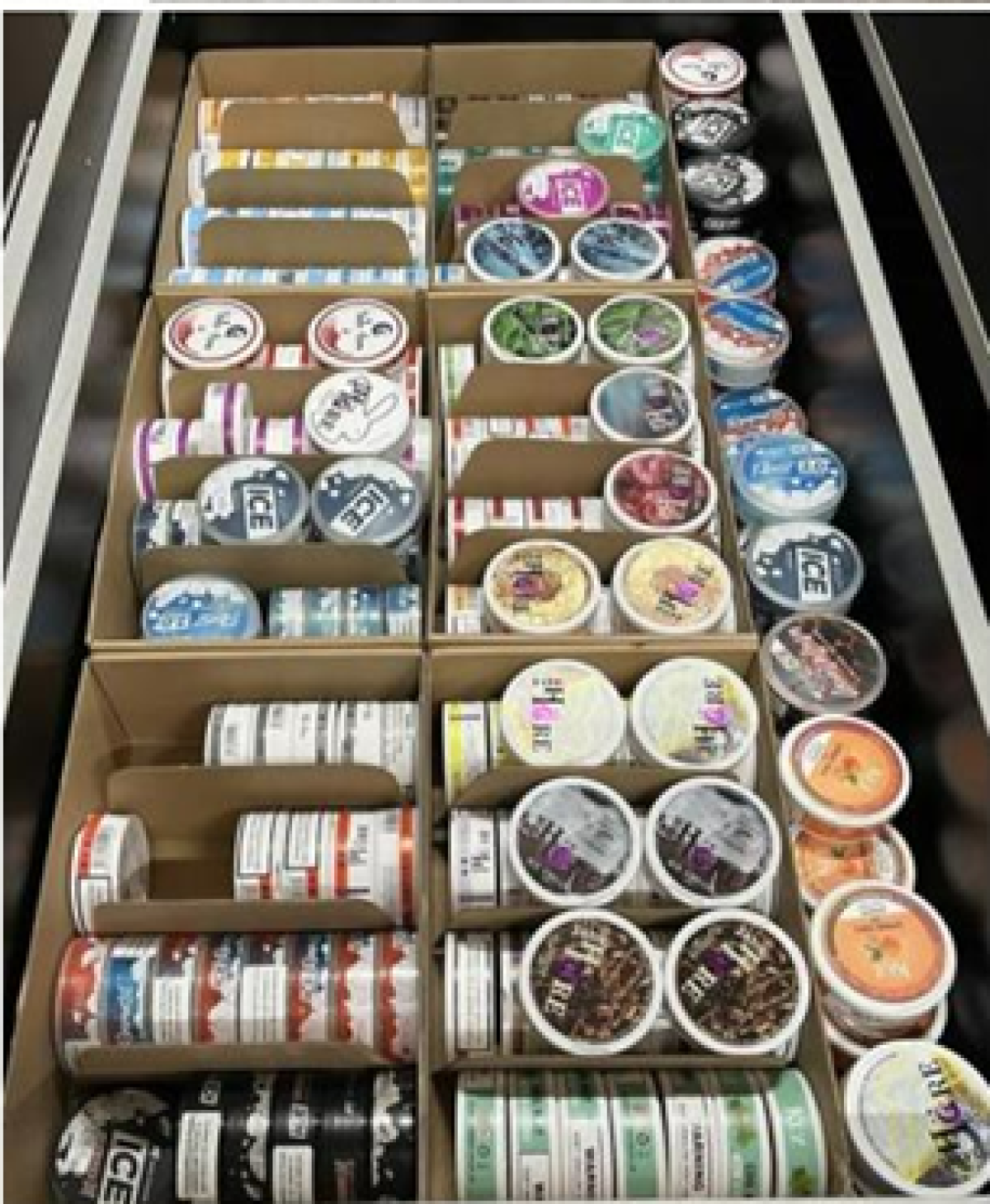
TGA and the Queensland Health Department found more than 10,000 nicotine pouches and hundreds of illegal e-cigarettes. Image source: TGA.


In this operation, with the support of the Queensland Department of Health and the Queensland Police Service (QPS), the Therapeutic Goods Administration (TGA) executed search warrants on three tobacco retailers in Bunderburg suspected of illegally holding e-cigarettes. TGA and Queensland Health officials also inspected six retail stores in the Gladstone area.
TGA Crackdown on Illegal E-Cigarette Sales in Queensland
The TGA and Queensland Department of Health seized over 10,000 nicotine pouches and hundreds of illegal e-cigarette products. Image source: TGA


Australia's Health Minister, Mark Butler, stated that


The joint enforcement operation between the TGA and Queensland Health demonstrates a strong enforcement attitude towards the new e-cigarette laws. This is a positive example of federal and state/territory cooperation in detecting and combatting illegal e-cigarette supply.


The seized e-cigarettes are reportedly in violation of the new commercial possession law under the Therapeutic Goods and Other Legislation Amendment (E-cigarette Reform) Act, which came into effect on July 1, 2024.


Currently, retail businesses in Australia, such as tobacco shops, e-cigarette stores, and convenience stores, are prohibited from supplying any e-cigarette products, even with a prescription. It is also typically illegal to possess e-cigarettes in retail locations. In addition to confiscating products, illegal importation, manufacturing, supplying, commercially holding, and advertising of e-cigarette products may also result in serious penalties.


Since January 1, 2024, the Australian Border Force and TGA have seized over 3.5 million e-cigarette products, valued at nearly 107 million Australian dollars (69.66 million U.S. dollars).


According to the 2024 Therapeutic Goods and Other Legislation Amendment (e-cigarette reform) Act, the maximum penalty for each offense is seven years imprisonment and/or 5000 penalty units (equivalent to $156,500 for individuals or $782,500 for businesses).


We welcome news tips, article submissions, interview requests, or comments on this piece.

Please contact us at info@2firsts.com, or reach out to Alan Zhao, CEO of 2Firsts, on LinkedIn


Notice

1.  This article is intended solely for professional research purposes related to industry, technology, and policy. Any references to brands or products are made purely for objective description and do not constitute any form of endorsement, recommendation, or promotion by 2Firsts.

2.  The use of nicotine-containing products — including, but not limited to, cigarettes, e-cigarettes, nicotine pouchand heated tobacco products — carries significant health risks. Users are responsible for complying with all applicable laws and regulations in their respective jurisdictions.

3.  This article is not intended to serve as the basis for any investment decisions or financial advice. 2Firsts assumes no direct or indirect liability for any inaccuracies or errors in the content.

4.  Access to this article is strictly prohibited for individuals below the legal age in their jurisdiction.


Copyright


This article is either an original work created by 2Firsts or a reproduction from third-party sources with proper attribution. All copyrights and usage rights belong to 2Firsts or the original content provider. Unauthorized reproduction, distribution, or any other form of unauthorized use by any individual or organization is strictly prohibited. Violators will be held legally accountable.

For copyright-related inquiries, please contact: info@2firsts.com


AI Assistance Disclaimer


This article may have been enhanced using AI tools to improve translation and editorial efficiency. However, due to technical limitations, inaccuracies may occur. Readers are encouraged to refer to the cited sources for the most accurate information.

We welcome any corrections or feedback. Please contact us at: info@2firsts.com

InterTabac 2026: Further Sessions on Regulation, Market Access and Innovation Confirmed; 2FIRSTS to Host China Market Forum
InterTabac 2026 will bring together international experts to discuss European regulation, tax policy, Track & Trace, market access, retail impacts, consumer behavior and innovation. Sessions will also examine Poland’s tobacco-growing perspective and the growing fragmentation of Europe’s tobacco and nicotine market. Media partner 2FIRSTS will host the second “2FIRSTS Connect at InterTabac” on September 16, focusing on developments in China’s tobacco and nicotine industry.
Aug.06
Australia Adds 6-Methylnicotine to Schedule 9 Prohibited Substances, Effective October 1
Australia's Therapeutic Goods Administration published a final decision on September 25 to classify 6-methylnicotine as a Schedule 9 prohibited substance under the Poisons Standard, effective October 1, 2026. TGA said the chemical has been reported in e-cigarette liquids sold in Australia and marketed as nicotine-free or nicotine alternatives, while evidence also indicates its use in preparations such as oral pouches. The government originally proposed a Schedule 7 classification but ultimately adopted the stricter Schedule 9 designation, citing acute toxicity, dependence risk, use in unapproved consumer products and misleading marketing.
News
Sep.29 by 2Firsts Perspectives
South Korea Constitutional Court Upholds Volume-Based E-Liquid Tax, With Challenged Rates at KRW 370 and KRW 628 per Milliliter
South Korea's Constitutional Court has upheld fixed taxes on nicotine-containing e-cigarette liquids based on solution volume, ruling that challenged provisions imposing KRW 370 per milliliter in individual consumption tax and KRW 628 per milliliter in tobacco consumption tax do not violate the Constitution. The cases stemmed from historical disputes involving importers that reported nicotine as being extracted from tobacco stems rather than leaves. South Korea has since broadened its tobacco definition to include synthetic nicotine, while current tax laws provide reduced rates for certain products not derived from tobacco.
Sep.18
As JUUL2 Wins FDA Authorization, Harm Reduction Journal Highlights the Role of Real-World Evidence in Nicotine Product Regulation
A commentary published in the international open-access, peer-reviewed Harm Reduction Journal argues that randomized controlled trials remain central to evaluating smoking cessation efficacy but cannot alone capture real-world uptake, complete switching, longer-term use and population impact of non-combustible nicotine products such as e-cigarettes, heated tobacco and nicotine pouches. The authors frame impact as “reach × efficacy” and call for real-world evidence to complement RCTs. Three days after publication, the FDA authorized three JUUL2 products and highlighted complete switching among adult smokers in explaining its decision, providing a timely regulatory backdrop to the debate.
Sep.08
Australia Extends Illicit Tobacco Crackdown From Tougher Penalties to Customs and Logistics Supply Chains
Australia's federal government introduced a new illicit tobacco enforcement bill on September 10 that would strengthen evidentiary presumptions, representative sampling, seizure and forfeiture procedures, proceeds-of-crime powers and obligations for customs and logistics operators. The proposal follows the Combatting Illicit Tobacco Act 2026, which took effect in August and increased penalties while expanding investigative and asset-recovery tools. Together, the reforms extend Australia's crackdown from tougher criminal sanctions into import, logistics and evidentiary enforcement.
Sep.14
Ohio Supreme Court Weighs Whether State Consumer Law Can Restrict Flavored Vape Sales
The Ohio Supreme Court is hearing a case involving flavored vape sales and whether state authorities can use consumer protection laws to take action against retailers selling unauthorized vape products. Ohio officials argue that selling unauthorized flavored vapes may constitute consumer deception, while retailers argue that tobacco product regulation falls under federal Food and Drug Administration (FDA) authority and that states cannot impose additional restrictions through consumer laws. The case could affect the scope of state-level vape regulation across the United States.
Aug.06