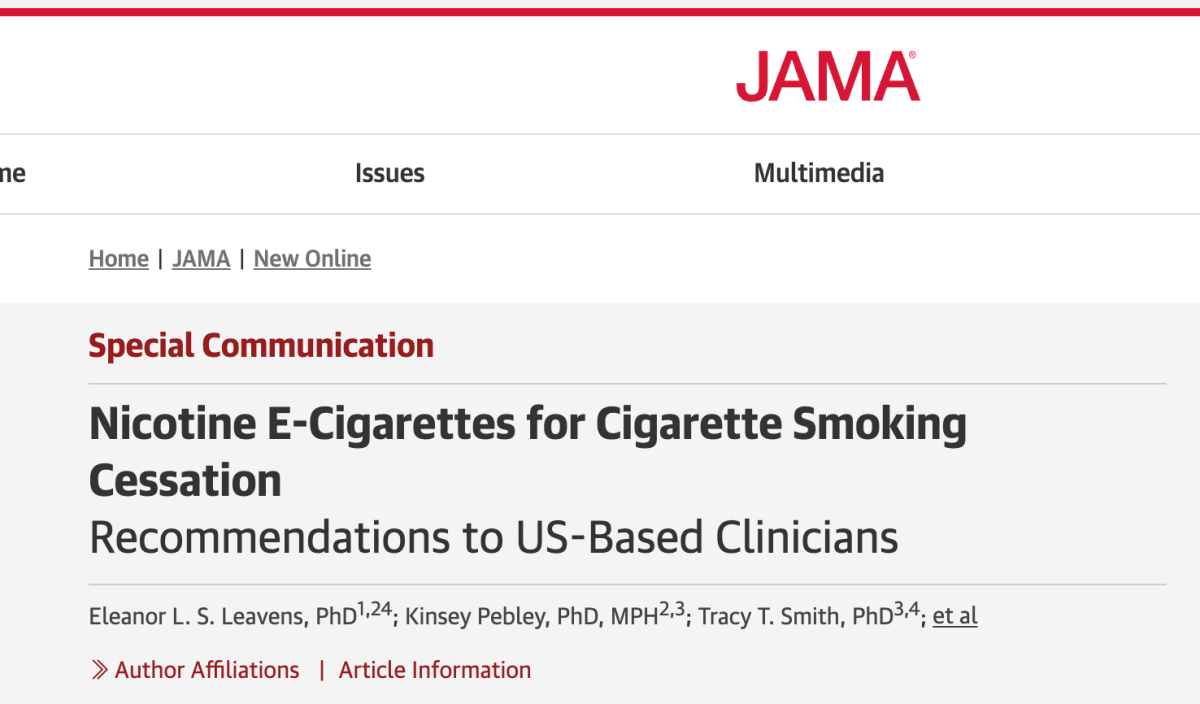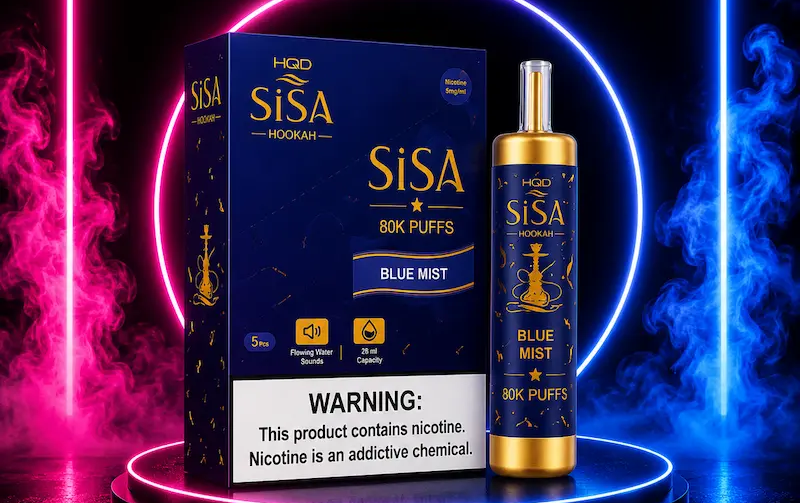
According to a report from the European News Agency on May 31st, tobacco consumption among teenagers aged 14 to 18 in Spain has significantly decreased in the past thirty years. However, the use of e-cigarettes has skyrocketed, with now over half of teenagers aged 14 to 18 having tried an e-cigarette.
According to data released by the FUNCAS Foundation of Savings Banks in Spain on the eve of World No Tobacco Day, thirty years ago, 32.5% of 14 to 18 year olds had smoked in the past 30 days, but by 2023, this percentage had steadily decreased to 21%. The decrease in tobacco consumption is more pronounced compared to trends in consumption of other substances such as alcohol and marijuana.
However, what researchers are concerned about is that the tobacco consumption rate among female students has consistently been higher than male students. Although females smoke fewer cigarettes than males, the proportion of female smokers has been consistently higher than males year after year. Contrary to popular belief, the proportion of daily smokers among 14 to 18 year old females is higher than males. The rapid decline in smoking rates among high school girls has narrowed the gender gap. In 1996, 38% of girls and 26% of boys had smoked in the past 30 days, a difference of 12%. By 2023, this gap had narrowed to 4%, with 23% of females smoking compared to 19% of males.
Although the survey did not provide daily usage data for e-cigarettes, the 30-day prevalence of e-cigarette use in 2023 has surpassed that of traditional tobacco, with rates at 26.3% and 21% respectively. As e-cigarettes continue to grow rapidly in popularity, awareness among adolescents of the risks associated with their use has also significantly increased. In 2021, only 22% of adolescents believed that occasional use of e-cigarettes could be harmful to health; however, two years later, this proportion has nearly doubled to 39%.
We welcome news tips, article submissions, interview requests, or comments on this piece.
Please contact us at info@2firsts.com, or reach out to Alan Zhao, CEO of 2Firsts, on LinkedIn
Notice
1. This article is intended solely for professional research purposes related to industry, technology, and policy. Any references to brands or products are made purely for objective description and do not constitute any form of endorsement, recommendation, or promotion by 2Firsts.
2. The use of nicotine-containing products — including, but not limited to, cigarettes, e-cigarettes, nicotine pouchand heated tobacco products — carries significant health risks. Users are responsible for complying with all applicable laws and regulations in their respective jurisdictions.
3. This article is not intended to serve as the basis for any investment decisions or financial advice. 2Firsts assumes no direct or indirect liability for any inaccuracies or errors in the content.
4. Access to this article is strictly prohibited for individuals below the legal age in their jurisdiction.
Copyright
This article is either an original work created by 2Firsts or a reproduction from third-party sources with proper attribution. All copyrights and usage rights belong to 2Firsts or the original content provider. Unauthorized reproduction, distribution, or any other form of unauthorized use by any individual or organization is strictly prohibited. Violators will be held legally accountable.
For copyright-related inquiries, please contact: info@2firsts.com
AI Assistance Disclaimer
This article may have been enhanced using AI tools to improve translation and editorial efficiency. However, due to technical limitations, inaccuracies may occur. Readers are encouraged to refer to the cited sources for the most accurate information.
We welcome any corrections or feedback. Please contact us at: info@2firsts.com