BAT's 500 million euros Investment Plan in Spain Faces Regulatory Restrictions

Apr.17.2025
BAT's 500 million euros Investment Plan in Spain Faces Regulatory Restrictions
BAT's investment plans in Spain face obstacles due to strict regulations impacting tobacco product factory establishment in Barcelona.

Key Point:

British American Tobacco's investment plan in Spain is limited: BAT is considering establishing a new tobacco product factory in Barcelona, Spain, but is facing obstacles in the regulatory environment.

Regulatory policies questioned: Spanish Health Department intends to ban nicotine pouches and flavored e-cigarettes, BAT claims it will severely impact the legal market and fuel the black market.

Market layout affected: Spain's investment advantage is lost due to policy uncertainty compared to Croatia and the Czech Republic.

Clear business transformation goals: BAT plans to have 50% of its revenue come from new tobacco products by 2030.


According to Expansion on April 15th, British American Tobacco (BAT) is planning to invest in the construction of a new tobacco product factory in Spain, with an expected investment of 500 million euros.


Barcelona is considered a potential investment location due to its excellent geographical location and convenient transportation, making it a prime choice for BAT. However, the strict regulatory policies of the Spanish government on tobacco alternatives, particularly the restrictions on e-cigarette flavors and nicotine pouch nicotine concentrations, are causing uncertainty for BAT's investment plans. Other locations BAT is considering are Croatia and the Czech Republic.


BAT's General Manager for Spain and Portugal, Javier Álvarez Ballespín, has expressed concerns about the current regulatory policies of the Spanish government, stating that they are making the investment environment complex. Specifically, he highlighted the government's proposed "Real Decreto de Sanidad," which would limit the nicotine content in pouches to 0.99 milligrams, significantly lower than the common 4 milligrams in the market, making the product nearly unsellable. Additionally, restrictions on e-cigarette flavors are expected to impact consumer choice, leading to potential market exits and an increase in illicit trade, according to BAT.


According to Alvarez, the acceptance of new tobacco products in the Spanish market is gradually increasing, but there are still certain obstacles to growth. New tobacco products account for 17% of BAT's total revenue globally, but in Spain, this proportion reaches 25% and is expected to reach 50% by 2030. The executive warned that "if these categories are effectively banned, BAT's future in Spain will become complicated.


BAT's global strategy is to continue investing in multiple new tobacco product lines, including e-cigarettes (Vuse), heated tobacco (Glo), and nicotine pouches (Velo). Alvarez emphasized that although BAT's diversified portfolio increases operational complexity, it also provides a competitive advantage.


BAT plans to further expand the market for new tobacco products, especially in the areas of heated tobacco and nicotine pouches, with hopes of doubling or even tripling this revenue by 2030. However, Alvarez warned that if current policies are implemented, BAT will face significant challenges in Spain.


We welcome news tips, article submissions, interview requests, or comments on this piece.

Please contact us at info@2firsts.com, or reach out to Alan Zhao, CEO of 2Firsts, on LinkedIn


Notice

1.  This article is intended solely for professional research purposes related to industry, technology, and policy. Any references to brands or products are made purely for objective description and do not constitute any form of endorsement, recommendation, or promotion by 2Firsts.

2.  The use of nicotine-containing products — including, but not limited to, cigarettes, e-cigarettes, nicotine pouchand heated tobacco products — carries significant health risks. Users are responsible for complying with all applicable laws and regulations in their respective jurisdictions.

3.  This article is not intended to serve as the basis for any investment decisions or financial advice. 2Firsts assumes no direct or indirect liability for any inaccuracies or errors in the content.

4.  Access to this article is strictly prohibited for individuals below the legal age in their jurisdiction.


Copyright


This article is either an original work created by 2Firsts or a reproduction from third-party sources with proper attribution. All copyrights and usage rights belong to 2Firsts or the original content provider. Unauthorized reproduction, distribution, or any other form of unauthorized use by any individual or organization is strictly prohibited. Violators will be held legally accountable.

For copyright-related inquiries, please contact: info@2firsts.com


AI Assistance Disclaimer


This article may have been enhanced using AI tools to improve translation and editorial efficiency. However, due to technical limitations, inaccuracies may occur. Readers are encouraged to refer to the cited sources for the most accurate information.

We welcome any corrections or feedback. Please contact us at: info@2firsts.com

Australia-China Operation Dismantles Tobacco Smuggling Network: 112 Containers, 60 Arrests and A$92 Million in Illicit Tobacco
According to The Maritime Executive on August 19, 2026, the Australian Border Force (ABF) and China’s Anti-Smuggling Bureau of General Administration of China Customs worked together to dismantle an international illicit tobacco smuggling network targeting Australia. According to information released by ABF on August 20, sustained information sharing and cooperation led to investigations into 112 shipping containers, with 91 found to contain illicit tobacco. Authorities seized more than 60 million cigarettes and 60 kilograms of loose-leaf tobacco, representing more than A$92 million in unpaid duties. More than 60 people suspected of involvement in the network were arrested in China.
Aug.20
Product | PMI Japan Expands ZYN by IQOS Strength Portfolio With Strong Series, Increasing Lineup to 12 Products
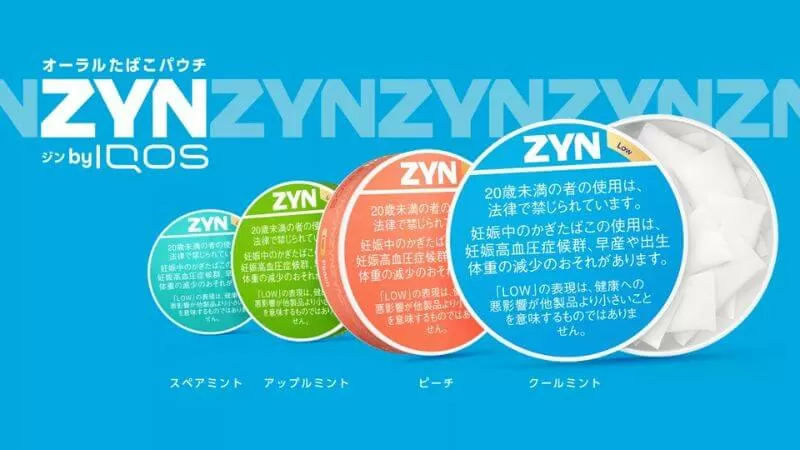
Philip Morris Japan (PMJ) has expanded the ZYN by IQOS oral tobacco pouch portfolio in Japan with four new ZYN Strong products, adding a third intensity level alongside the existing Low and Medium ranges. The Strong series first entered selected duty-free channels in Japan on July 1, 2026, before expanding to IQOS stores, the ZYN Online Store and selected tobacco retailers from August 18. The expansion increases the Japanese ZYN by IQOS lineup from eight to 12 products.
Aug.20
SMOORE’s DOJO by VAPORESSO to Launch New Global Brand Identity on September 1
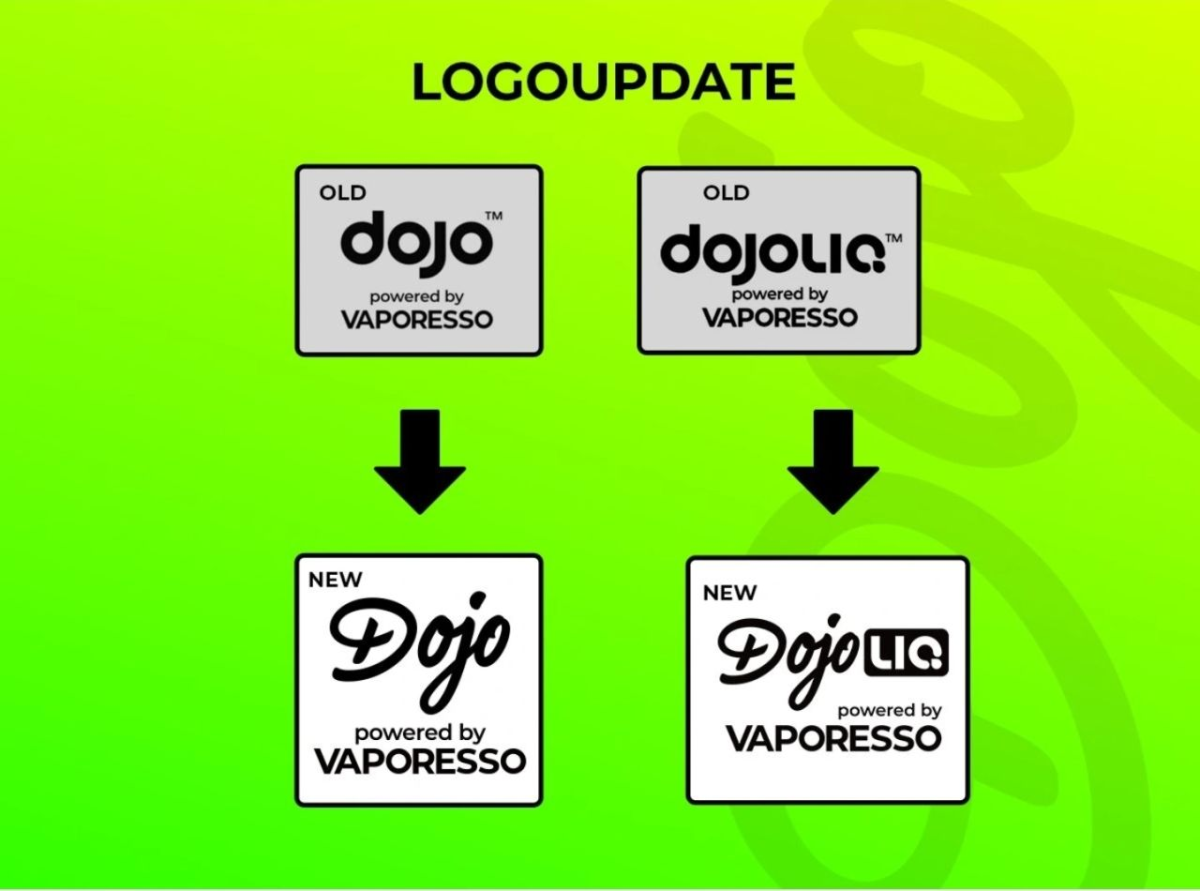
According to recent LinkedIn posts from people at VAPORESSO, SMOORE and a German distribution partner, vape brand DOJO will begin rolling out a new global brand identity on September 1, 2026, led by a redesigned handwritten logo. The new visual system will be gradually applied across product packaging, marketing materials and digital assets over the following months. Fabio Corsaro, Head of Marketing and Purchasing at MG Wesel GmbH, said the rebrand was related to trademark issues, but that explanation has not been publicly confirmed by DOJO, VAPORESSO or SMOORE. DOJO is currently promoting its Blast X product in Germany.
Aug.31
Switzerland Tightens Vape Checks as Only 3 of 32 Tested Products Meet New Tobacco Rules
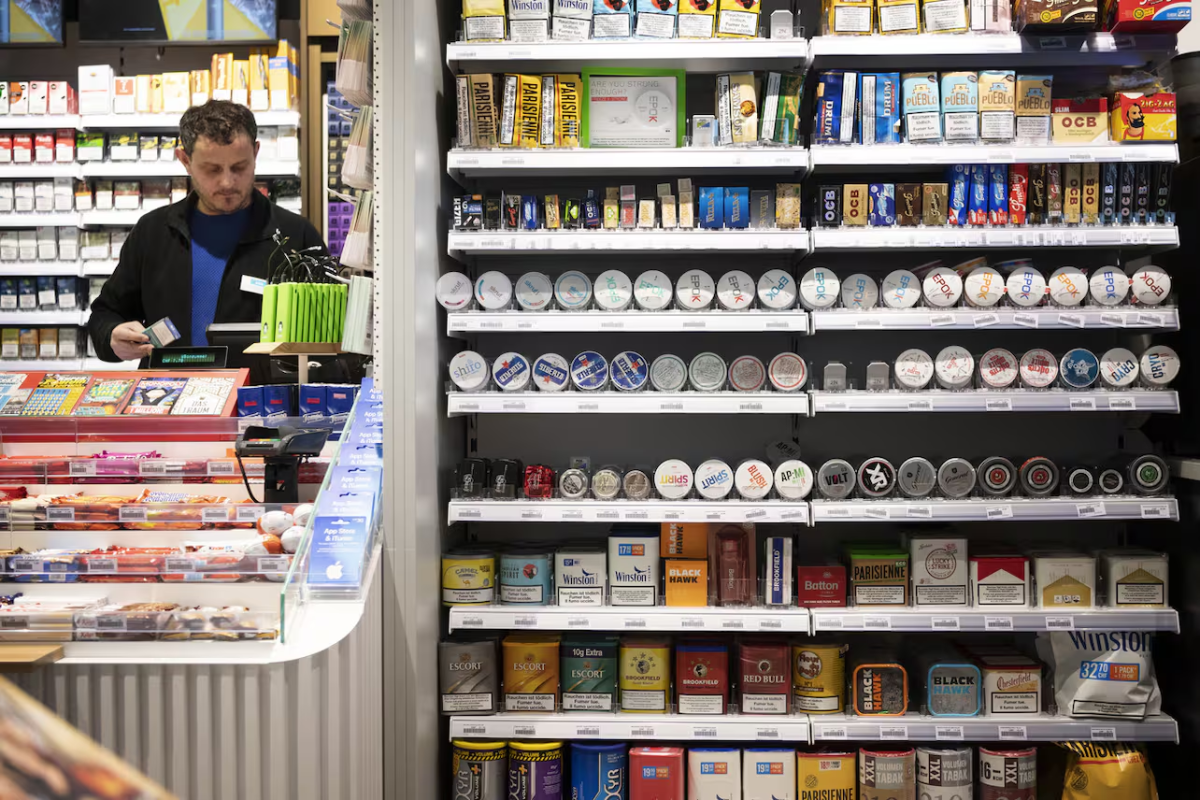
According to Swiss media outlet Blick, local authorities are strengthening compliance checks on vape products, nicotine pouches and other tobacco-related products following the implementation of Switzerland’s revised Tobacco Products Act. A Basel laboratory tested 32 disposable vapes and e-liquids, with only three meeting regulatory requirements and 21 products banned from sale. Swiss authorities are also expanding retail inspections, laboratory testing and youth purchase checks to enforce the new tobacco and nicotine product rules.
Aug.12
JTI Makes Third Bet on South Korea as Ploom AURA Enters a Market Dominated by lil and IQOS
Japan Tobacco International is stepping up its heated tobacco push in South Korea with Ploom AURA. Since its official launch in April 2026, the device's limited First Edition and Glacier White version have sold out, while distribution has expanded across Seoul, Incheon, Gyeonggi Province and airport duty-free channels. The rollout marks JTI's third major attempt to build a stronger heated tobacco position in South Korea, following Ploom TECH in 2019 and Ploom X Advanced in 2024. At the group level, JT plans to invest about ¥800 billion, approximately $5 billion, in reduced-risk products from 2026 through 2028, with heated products and Ploom identified as its primary investment priority.
Aug.14
China Tobacco Yunnan files patent for cellulose-free nicotine pouch scaffold to replace microcrystalline cellulose
China Tobacco Yunnan Industrial Co., Ltd. has filed a patent application for a cellulose-free scaffold material for nicotine pouches, proposing a combination of bioceramic material, polydextrose and sugar alcohols to replace conventional microcrystalline cellulose and cellulose derivatives. The filing aims to address issues including powdery mouthfeel, residue and limited release control, while also reducing reliance on existing cellulose-based patent portfolios. In patent examples, one fast-release formulation reached a nicotine release rate of 50% at 10 minutes and more than 90% at 20 minutes.
Sep.02