Brazil police seize 500,000 illegal e-cigarettes, including "IGNITE" brand

Nov.04.2024
Brazil police seize 500,000 illegal e-cigarettes, including "IGNITE" brand
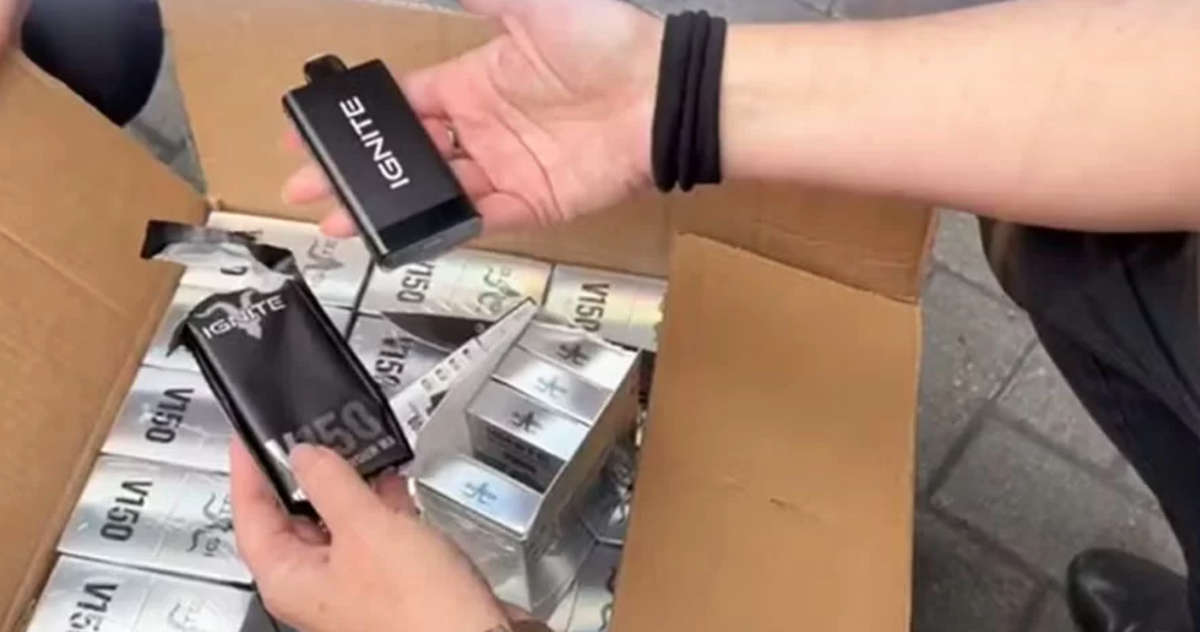
The Brazilian Federal Revenue Service seized 500,000 illegal e-cigarettes at a port. These e-cigarettes, involving the brand "Ignite," were intended for shipment to Paraguay.

Brazil's Federal Revenue Service seized 500,000 e-cigarettes in an operation at the Port of Santos, according to Santa Portal on November 2. 


The e-cigarettes were found in two separate containers on Thursday (the 31st), originating from abroad and bound for Paraguay. The seized e-cigarette products are associated with the “IGNITE” brand.


Federal Revenue Special Secretary Robinson Barreirinhas emphasized that the Federal Revenue Service has taken a stricter stance against smuggling and fraudulent imports, especially concerning e-cigarette products banned in Brazil since 2009.


In a press conference last Friday (November 1), Barreirinhas announced five measures to strengthen the fight against organized crime, one of which includes a zero-tolerance policy for smuggling through Brazilian ports. Regulation No. 2,231 of 2024 is currently being applied to prevent goods from entering or leaving the country through smuggling.


"We need society's support. The Federal Revenue Service will work directly with other security agencies and Brazilian society to combat organized crime."


We welcome news tips, article submissions, interview requests, or comments on this piece.

Please contact us at info@2firsts.com, or reach out to Alan Zhao, CEO of 2Firsts, on LinkedIn


Notice

1.  This article is intended solely for professional research purposes related to industry, technology, and policy. Any references to brands or products are made purely for objective description and do not constitute any form of endorsement, recommendation, or promotion by 2Firsts.

2.  The use of nicotine-containing products — including, but not limited to, cigarettes, e-cigarettes, nicotine pouchand heated tobacco products — carries significant health risks. Users are responsible for complying with all applicable laws and regulations in their respective jurisdictions.

3.  This article is not intended to serve as the basis for any investment decisions or financial advice. 2Firsts assumes no direct or indirect liability for any inaccuracies or errors in the content.

4.  Access to this article is strictly prohibited for individuals below the legal age in their jurisdiction.


Copyright


This article is either an original work created by 2Firsts or a reproduction from third-party sources with proper attribution. All copyrights and usage rights belong to 2Firsts or the original content provider. Unauthorized reproduction, distribution, or any other form of unauthorized use by any individual or organization is strictly prohibited. Violators will be held legally accountable.

For copyright-related inquiries, please contact: info@2firsts.com


AI Assistance Disclaimer


This article may have been enhanced using AI tools to improve translation and editorial efficiency. However, due to technical limitations, inaccuracies may occur. Readers are encouraged to refer to the cited sources for the most accurate information.

We welcome any corrections or feedback. Please contact us at: info@2firsts.com

Australia Extends Illicit Tobacco Crackdown From Tougher Penalties to Customs and Logistics Supply Chains
Australia's federal government introduced a new illicit tobacco enforcement bill on September 10 that would strengthen evidentiary presumptions, representative sampling, seizure and forfeiture procedures, proceeds-of-crime powers and obligations for customs and logistics operators. The proposal follows the Combatting Illicit Tobacco Act 2026, which took effect in August and increased penalties while expanding investigative and asset-recovery tools. Together, the reforms extend Australia's crackdown from tougher criminal sanctions into import, logistics and evidentiary enforcement.
Sep.14
Exclusive Analysis | Smoore H1 Revenue Rises 19.9% Amid Growth Concentration, Profit Pressure and Slowing Momentum
Smoore’s first-half 2026 revenue rose 19.9%, but the results revealed growing structural risks beneath the headline growth. Heat-not-burn contributed about 61% of incremental revenue and remains driven largely by one core customer, while traditional vaping markets diverged, own-brand growth slowed and China enterprise revenue declined further. Gross profit and adjusted profit lagged revenue growth, while second-quarter revenue growth slowed to about 1.9%, putting greater focus on the quality, concentration and sustainability of Smoore’s expansion.
Capital Markets
Aug.20
Product | KT&G Brings LOOP Nicotine Pouches to South Africa, Supporting ASF’s Expansion Across Africa
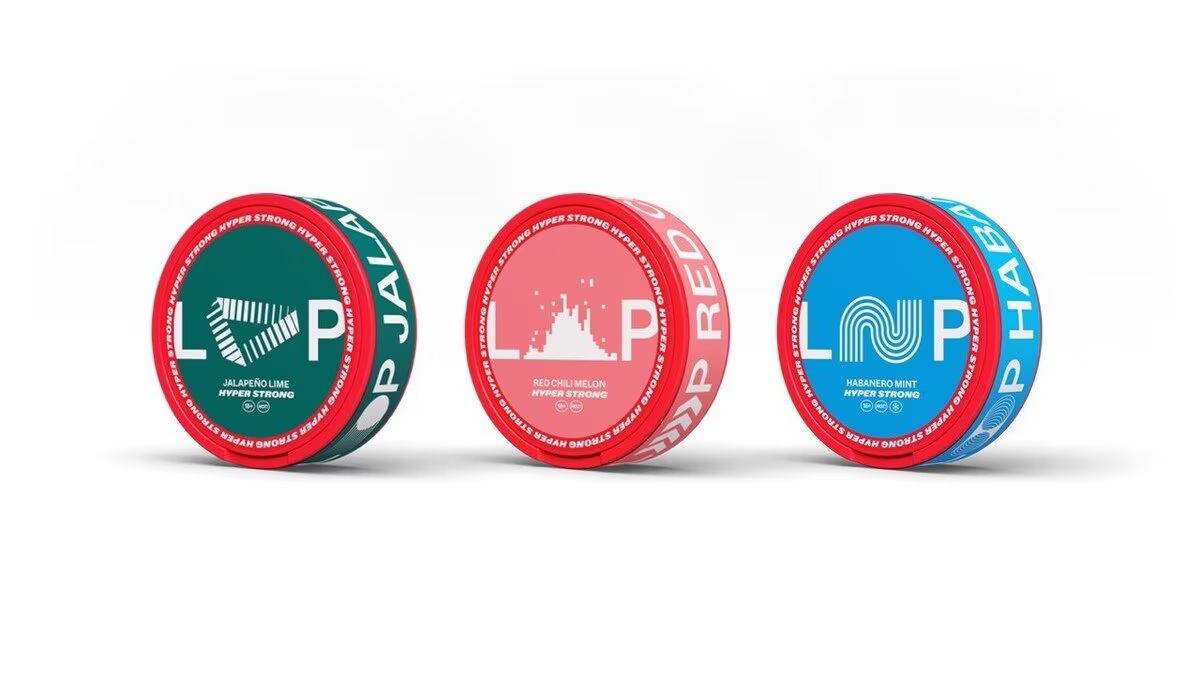
KT&G has introduced nicotine pouch brand LOOP in South Africa, expanding its modern oral nicotine portfolio. Developed by Swedish company Another Snus Factory (ASF), LOOP is a tobacco-free nicotine pouch brand. KT&G and U.S. tobacco company Altria previously participated in ASF’s strategic development, and the South Africa launch represents a further step in LOOP’s international expansion.
Aug.06
South Korea Imports 12,126 Kg of Nicotine Analogues From April to August After Bringing Synthetic Nicotine Under Tobacco Law
South Korea's liquid-vape market is showing changes across raw-material imports, product types and sales channels after synthetic nicotine came under the Tobacco Business Act on April 24. Customs data show nicotine-analogue imports totaled 12,126 kilograms from April through August, while synthetic-nicotine imports over the same five months totaled 231,663 kilograms, just 39.3% of the amount imported in March alone. Physical liquid-vape stores tracked in Seoul and Gyeonggi Province fell 9.9%, unmanned outlets edged higher and online sales listings increased from 27,774 to 42,437. Government testing of 105 liquid inhalation products promoted as nicotine-free separately found nicotine in 13 and 6-methylnicotine in 12.
Sep.22
China Tobacco Yunnan files patent for cellulose-free nicotine pouch scaffold to replace microcrystalline cellulose
China Tobacco Yunnan Industrial Co., Ltd. has filed a patent application for a cellulose-free scaffold material for nicotine pouches, proposing a combination of bioceramic material, polydextrose and sugar alcohols to replace conventional microcrystalline cellulose and cellulose derivatives. The filing aims to address issues including powdery mouthfeel, residue and limited release control, while also reducing reliance on existing cellulose-based patent portfolios. In patent examples, one fast-release formulation reached a nicotine release rate of 50% at 10 minutes and more than 90% at 20 minutes.
Sep.02
Malaysia’s Vape Rules Face Review as Health Minister Dzulkefly Ahmad Addresses Dropped Nicotine Appeal
According to Free Malaysia Today on August 26, 2026, Malaysia’s Health Minister Dzulkefly Ahmad said the Health Ministry would explain the government’s decision to withdraw its appeal against a High Court ruling involving the exemption of liquid nicotine used in vape products from the Poisons List. The High Court previously ruled that the exemption decision was irrational. Dzulkefly said withdrawing the appeal did not mean the government would stop regulating vaping, and that future regulatory approaches would continue under existing legal frameworks.
Aug.28