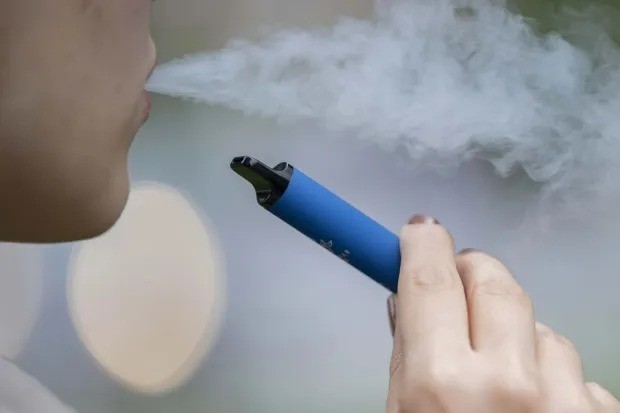
According to the Miami Herald, on April 19, the Florida state legislature is once again stepping in to fill the gap left by the federal government in regulating public health issues. During this session, Republican state representative Alex Rizo supported legislation to ensure that Florida residents are protected from harmful, unregulated e-cigarette products while not restricting safe, FDA-approved e-cigarette products that can help adult smokers quit.
Alex Lizzo believes that the Biden administration and the U.S. FDA's regulation of the e-cigarette market is not impressive. Currently, the annual sales of illegal disposable e-cigarettes in the U.S. regulated channels alone exceed $26 billion. However, predictions show that this number could double if the unregulated market is taken into account. Florida has now become a hotspot for illegal product trafficking. These attractive flavors designed to appeal to young people, and the packaging that resembles everyday school supplies (such as highlighters, USB drives, and smartphones), have led Chinese-manufactured disposable e-cigarettes to make up 58% of all e-cigarette sales, surpassing the national average by a significant 20%.
Currently, House Bill 1007 has passed in the Florida legislature and is awaiting the governor's signature. The bill requires e-cigarette manufacturers to register in the state, ensure their products comply with federal and state laws, and establish penalties for violations. This is crucial to protect our children from the risks associated with e-cigarettes, ensure industry accountability, and promote education within the e-cigarette market to reduce harm for smokers looking to switch to e-cigarettes as a means to quit smoking. However, the legislation does not impose significant restrictions on the market, allowing adult smokers to still choose safer e-cigarette products as alternatives.
Critics point out that the FDA's complex and cumbersome approval process has resulted in only 23 e-cigarette products being granted licenses, even though there are hundreds of applicants. This has led to an ironic situation where illegal e-cigarettes from China have become the preferred choice for young people, as the FDA is unable to stop the circulation of these products.
Despite protests over the federal government's neglect of the e-cigarette issue, Alex Rizzo believes that the United States could become a global leader in helping smokers break free from traditional cigarettes and transition to safer alternatives. This would require the federal government to have better policies and leadership. Currently, the FDA's Center for Tobacco Products is struggling to regulate the market for alternative products for adult smokers while also failing to protect teenagers from illicit products coming from China.
We welcome news tips, article submissions, interview requests, or comments on this piece.
Please contact us at info@2firsts.com, or reach out to Alan Zhao, CEO of 2Firsts, on LinkedIn
Notice
1. This article is intended solely for professional research purposes related to industry, technology, and policy. Any references to brands or products are made purely for objective description and do not constitute any form of endorsement, recommendation, or promotion by 2Firsts.
2. The use of nicotine-containing products — including, but not limited to, cigarettes, e-cigarettes, nicotine pouchand heated tobacco products — carries significant health risks. Users are responsible for complying with all applicable laws and regulations in their respective jurisdictions.
3. This article is not intended to serve as the basis for any investment decisions or financial advice. 2Firsts assumes no direct or indirect liability for any inaccuracies or errors in the content.
4. Access to this article is strictly prohibited for individuals below the legal age in their jurisdiction.
Copyright
This article is either an original work created by 2Firsts or a reproduction from third-party sources with proper attribution. All copyrights and usage rights belong to 2Firsts or the original content provider. Unauthorized reproduction, distribution, or any other form of unauthorized use by any individual or organization is strictly prohibited. Violators will be held legally accountable.
For copyright-related inquiries, please contact: info@2firsts.com
AI Assistance Disclaimer
This article may have been enhanced using AI tools to improve translation and editorial efficiency. However, due to technical limitations, inaccuracies may occur. Readers are encouraged to refer to the cited sources for the most accurate information.
We welcome any corrections or feedback. Please contact us at: info@2firsts.com