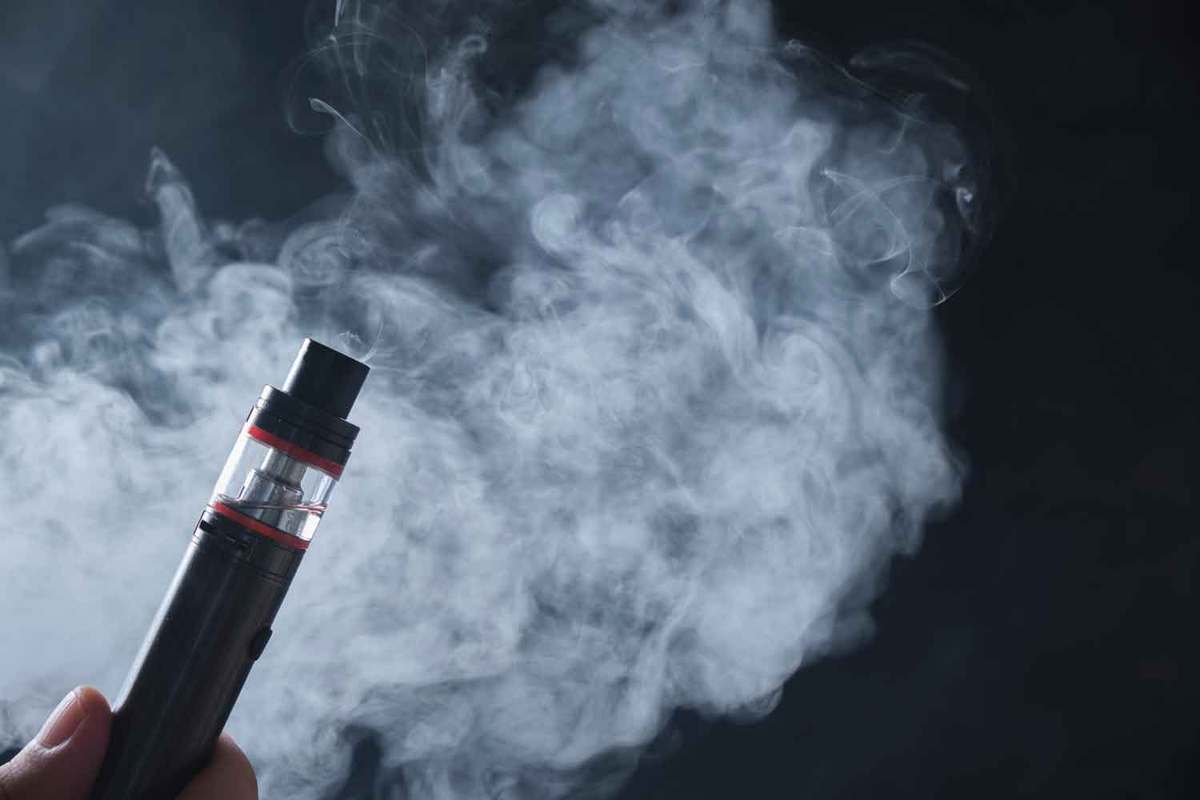
According to a recent report by Hasepost, following the UK's plan to ban the use of disposable e-cigarettes from 2025, the German Federal Ministry for the Environment (BMUV) is now pushing for the establishment of related regulations across the entire European Union. The BMUV stated that the German Environmental Aid Organization (DUH) is also supporting this initiative, emphasizing the impact of these products on the environment and the health risks they pose to young people.
A spokesperson from BMUV pointed out in an interview that in order to effectively regulate e-cigarettes, unified rules need to be implemented across the entire European Union market to avoid potential loopholes. He emphasized that:
Only in this way can these products be prevented from entering prohibited countries through other EU member states.
A spokesperson for the BMUV stated that disposable e-cigarettes should be banned from entering the market due to their extremely harmful environmental impact. "Their environmental performance is extremely poor: both the battery and e-liquid cannot be replaced," he pointed out, Furthermore, consumers often do not realize that they are electronic devices, leading to improper disposal. Improperly disposed of disposable e-cigarettes can potentially cause fires in sorting facilities, posing environmental pollution problems.
According to reports, the German government has recently passed a revised version of the "Electrical and Electronic Equipment Act" in early October. Under this law, retailers selling disposable e-cigarettes will be required to take responsibility for collecting and recycling these products. A spokesperson for the BMUV added, "Disposable e-cigarettes are considered electronic devices and should be properly disposed of when no longer in use." The revised legislation is currently under review in the federal council.
Meanwhile, Barbara Metz, the federal executive director of DUH, emphasized that a complete ban on disposable e-cigarettes is the only correct way to protect the environment, especially the health of young people. Metz stated that these e-cigarettes are "completely unnecessary and environmentally harmful products" and pointed out that consumption in Germany exceeds five million per week. She criticized the current government's proposed recycling regulations as "completely inadequate.
We welcome news tips, article submissions, interview requests, or comments on this piece.
Please contact us at info@2firsts.com, or reach out to Alan Zhao, CEO of 2Firsts, on LinkedIn
Notice
1. This article is intended solely for professional research purposes related to industry, technology, and policy. Any references to brands or products are made purely for objective description and do not constitute any form of endorsement, recommendation, or promotion by 2Firsts.
2. The use of nicotine-containing products — including, but not limited to, cigarettes, e-cigarettes, nicotine pouchand heated tobacco products — carries significant health risks. Users are responsible for complying with all applicable laws and regulations in their respective jurisdictions.
3. This article is not intended to serve as the basis for any investment decisions or financial advice. 2Firsts assumes no direct or indirect liability for any inaccuracies or errors in the content.
4. Access to this article is strictly prohibited for individuals below the legal age in their jurisdiction.
Copyright
This article is either an original work created by 2Firsts or a reproduction from third-party sources with proper attribution. All copyrights and usage rights belong to 2Firsts or the original content provider. Unauthorized reproduction, distribution, or any other form of unauthorized use by any individual or organization is strictly prohibited. Violators will be held legally accountable.
For copyright-related inquiries, please contact: info@2firsts.com
AI Assistance Disclaimer
This article may have been enhanced using AI tools to improve translation and editorial efficiency. However, due to technical limitations, inaccuracies may occur. Readers are encouraged to refer to the cited sources for the most accurate information.
We welcome any corrections or feedback. Please contact us at: info@2firsts.com