Key points:
1.The state of Terengganu in Malaysia will ban the sale and advertising of e-cigarettes starting from August 1, 2025. The Malaysian E-Cigarette Merchant Association (Terengganu Chapter) estimates that its 169 members will face monthly losses of approximately RM 5 million (USD 1.15 million) and believes that the three-month buffer period is insufficient to deal with existing inventory or transition to new business models.
2.The association questions the legality of the state ban, arguing that regulations should be based on the federal government's Public Health Cigarette Smoking Act, rather than a complete ban on sales.
3.Previously, the Minister of Health reiterated that state and local governments have the authority to determine e-cigarette product sales policies.
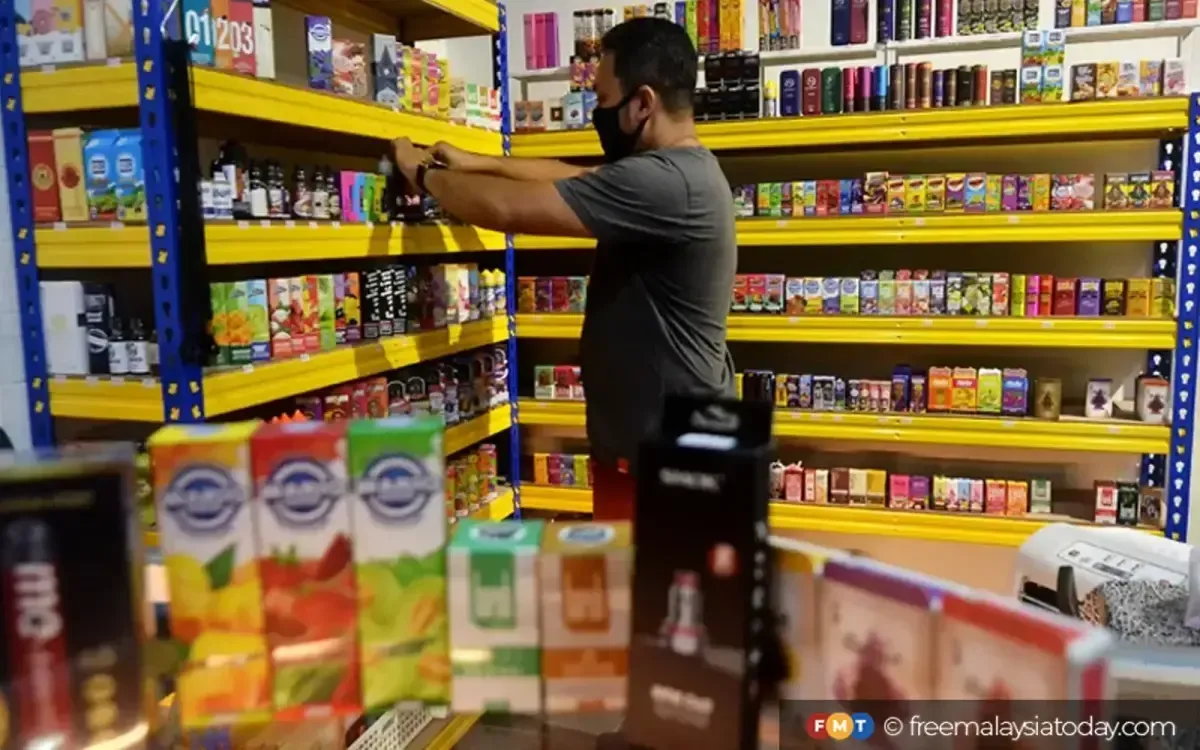
According to Freemalaysiatoday's report on April 28th, the Terengganu state government in Malaysia plans to completely ban the sale of e-cigarettes and related products starting from August 1st, 2025, and simultaneously ban related advertisements. This move has raised widespread concerns within the local e-cigarette industry.
The Malaysian E-Cigarette Business Association's branch in Terengganu stated that the ban is expected to result in economic losses of up to 5 million ringgit (1.15 million USD) per month for its 169 members. The association's president, Kamaruzaman Mahmud, noted that the government's three-month grace period is insufficient for businesses to clear out their inventory or transition to other ventures. He emphasized that e-cigarette merchants need more time to prepare for business closures or transitions.
Kamaruzaman also questioned the state government's authority to enforce the ban, arguing that it contradicts the Public Health (Control of Tobacco Products) Act passed by the federal government last year. The act established a systematic regulatory framework for e-cigarette products and did not advocate for a complete ban.
"Banning sales is not the most effective way to prevent students from using e-cigarettes; instead, implementing strict regulations in accordance with federal government laws is more practical and responsible."
Wan Sukairi Wan Abdullah, the legislative member of the Johor State Assembly, announced that the state government will ban the sale and advertising of e-cigarettes starting from August 1.
In addition, the Chief Minister of Kedah, Muhammad Sanusi, stated that the state executive council will discuss next week whether to follow in the footsteps of Perak state in implementing a similar ban.
Malaysia's Health Minister Dzulkefly Ahmad stated on April 18 that the authority to issue licenses for e-cigarette sales lies with state and local governments. State governments have the power to establish relevant sales policies based on local tobacco control regulations.
We welcome news tips, article submissions, interview requests, or comments on this piece.
Please contact us at info@2firsts.com, or reach out to Alan Zhao, CEO of 2Firsts, on LinkedIn
Notice
1. This article is intended solely for professional research purposes related to industry, technology, and policy. Any references to brands or products are made purely for objective description and do not constitute any form of endorsement, recommendation, or promotion by 2Firsts.
2. The use of nicotine-containing products — including, but not limited to, cigarettes, e-cigarettes, nicotine pouchand heated tobacco products — carries significant health risks. Users are responsible for complying with all applicable laws and regulations in their respective jurisdictions.
3. This article is not intended to serve as the basis for any investment decisions or financial advice. 2Firsts assumes no direct or indirect liability for any inaccuracies or errors in the content.
4. Access to this article is strictly prohibited for individuals below the legal age in their jurisdiction.
Copyright
This article is either an original work created by 2Firsts or a reproduction from third-party sources with proper attribution. All copyrights and usage rights belong to 2Firsts or the original content provider. Unauthorized reproduction, distribution, or any other form of unauthorized use by any individual or organization is strictly prohibited. Violators will be held legally accountable.
For copyright-related inquiries, please contact: info@2firsts.com
AI Assistance Disclaimer
This article may have been enhanced using AI tools to improve translation and editorial efficiency. However, due to technical limitations, inaccuracies may occur. Readers are encouraged to refer to the cited sources for the most accurate information.
We welcome any corrections or feedback. Please contact us at: info@2firsts.com