Reuters:How middlemen funnel illegal Chinese vapes into the United States

Jun.23.2025
Reuters:How middlemen funnel illegal Chinese vapes into the United States
A Reuters investigation reveals that a Chicago-based customs brokerage company monopolized 60% of the U.S.-China e-cigarette logistics over four years, importing millions of unauthorized Chinese e-cigarettes annually. Despite the FDA seizing illegal products worth $136 million, the supply chain continues to operate through methods such as false declarations.

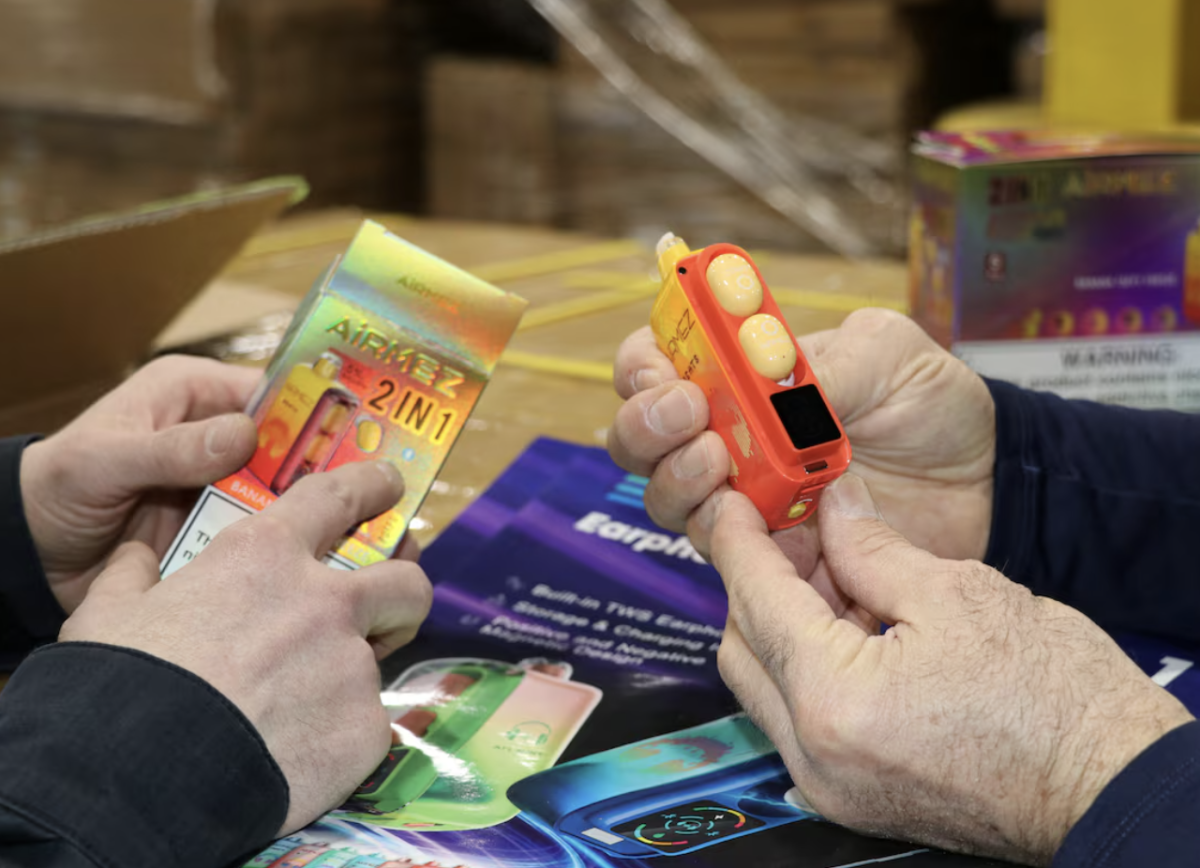
On June 23, Reuters published an article titled “How middlemen funnel illegal Chinese vapes into the United States,” which exposes the full supply chain behind the large-scale influx of illegal Chinese-made e-cigarettes into the U.S. market, as well as the enforcement difficulties and regulatory challenges faced by U.S. authorities. The report uncovers a hidden supply chain that uses intermediaries in both China and the U.S. to bypass regulations and smuggle unauthorized vape products into the country. It also highlights the FDA’s insufficient oversight, limited enforcement resources, and the significant health risks these products pose to minors. For more information, please read the original post.


The main points are summarized as follows:


Key Role of Middlemen:


·A small U.S.-based customs brokerage firm, led by Jay Kim, played a significant role in importing millions of unauthorized Chinese-made vapes to the U.S. in 2024. Kim’s firm handled 60% of shipments of vapes from China to the U.S. registered by the FDA.

·Despite claims that shipments had FDA authorization, many of these products, including brands like Lost Mary and Geek Bar, were actually unauthorized and illegal.


China's Major Vape Export Hub:


·Shenzhen, China, remains the largest source of vapes, both legal and illegal, entering the U.S.

·Official U.S. customs data showed a significant discrepancy: while China exported $3.6 billion worth of vapes to the U.S. in 2024, U.S. customs recorded only $333 million in imports, suggesting a vast amount of unauthorized shipments.


Deceptive Practices in Shipping:


·Unauthorized vapes are often disguised as other goods, like shoes or toys, to bypass U.S. customs.

·Middlemen, such as customs brokers and distributors, help funnel these illegal vapes into the U.S., sometimes by providing false information about the shipments.


U.S. Government’s Response:


·The FDA and U.S. Customs and Border Protection (CBP) have ramped up efforts to curb illegal imports. In May, a $34 million seizure of unauthorized vapes took place in Chicago, with some shipments misrepresented in value and content.

·The FDA has warned 24 middlemen involved in the supply chain, highlighting the criminal implications of misrepresenting goods to the government.


The Impact of U.S. Tariffs:


·U.S. tariffs on Chinese products and increasing seizures of illegal vapes have reduced supply, leading to shortages of popular brands like Geek Bar.

·Unauthorized vapes now make up 70% of the vape market in the U.S., with an estimated value of $8.14 billion in 2024.


Complex U.S. Distribution Network:


·After clearing U.S. customs, illegal vapes are distributed by various U.S. companies, including obscure firms that operate out of residential homes.

·Notable recipients include companies like Somo Trade LLC, a newly established firm operating out of a Chicago home, and Rongda Trade, which has already been shut down.


Legal Actions and Criticism:


·New York Attorney General Letitia James has filed a lawsuit against 13 companies accused of distributing unauthorized vapes from China, claiming they are contributing to the addiction of young people.

·Mitch Zeller, former head of the FDA’s tobacco center, placed the blame on U.S.-based distributors for facilitating the flow of illegal vapes into the country.


FDA’s Long-Term Strategy:


·FDA plans to use artificial intelligence to prevent illegal vapes from entering the U.S., with the ultimate goal of eliminating fruity and sweet flavored vapes that appeal to children, a major public health concern.


Product | OXBAR Lists GOSLIM Disposable Vape on Its Website, Featuring Embedded Leather and a Slim Display Window Design
OXBAR has updated its official website and listed a new disposable product, GOSLIM. The device is rated at 26,000 puffs, measures 40 × 22 × 110 mm, and weighs about 75 g, featuring an “embedded leather” exterior design. It supports two power modes—ECO and BOOST—and includes a digital display showing remaining battery percentage, remaining e-liquid level, and the active mode.
Jan.21 by 2FIRSTS.ai
Germany Sees 18.2% Jump in Taxed Tobacco Substitutes in 2025, Including E-liquids
Germany’s Federal Statistical Office (Destatis) said 66.4 billion cigarettes were taxed in 2025, up 0.2% from 2024, while long-term volumes have more than halved since 1991 and per-capita consumption fell to 795 cigarettes. Taxed tobacco substitutes such as e-cigarette liquids reached 1.5 million liters, up 18.2% year on year.
Jan.26 by 2FIRSTS.ai
Product | Lost Vape launches “4D portable shisha” device with 3,800mAh battery and up to 80W output
E-cigarette brand Lost Vape has recently listed its open-system DTL device, the ASTARA, on its official website. The company markets the product as “The First 4D Portable Shisha Experience,” highlighting a 360-degree display and audio features. The ASTARA has also appeared on some online sales channels in markets including the UK and Germany.
Feb.03 by 2FIRSTS.ai
Malaysia moves ahead with vape sales ban plan; PMI urges Japan-style differentiated excise taxes
Malaysia plans to implement a ban or restrictions on e-cigarettes and vaping products as early as mid-2026 and no later than year-end. The head of Philip Morris Malaysia and Singapore said the government should look to Japan’s approach of regulating and taxing different tobacco and nicotine products differently, warning that an outright ban could push demand into illicit channels.
Feb.02
European survey: current e-cigarette use among 15–19-year-olds rises from 14% (2019) to 22% (2024)
A European study cited in the report says the share of young people aged 15 to 19 who are current e-cigarette users increased from 14% in 2019 to 22% in 2024, with Italy reflecting the broader European pattern. Over the same period, conventional cigarette smoking among young people is described as declining, with the proportion of students who have smoked at least once in their lifetime falling sharply from 1995 to 2024, and the largest drop occurring between 2019 and 2024.
Feb.12 by 2FIRSTS.ai
France drops a vaping clause from the 2026 finance bill after use of Article 49.3
A provision in France’s 2026 finance bill intended to regulate vaping products was abandoned after Sébastien Lecornu used Article 49.3 on January 20 to commit the government’s responsibility on the “revenue” section of the state budget.
Jan.21 by 2FIRSTS.ai