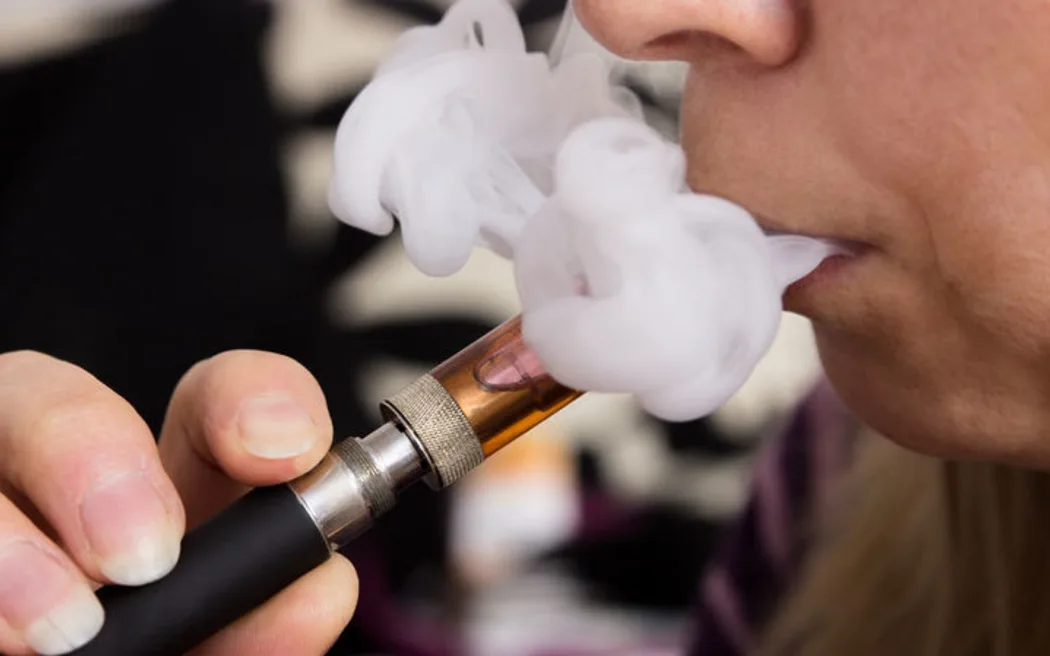
According to a report from RNZ on January 17, the latest data from the New Zealand Ministry of Education shows that the issue of e-cigarette and smoking has become increasingly serious in schools nationwide, with primary school students being more prominent users of e-cigarettes compared to secondary school students. Last year, the majority of students who were demoted due to e-cigarette and smoking were in grades 1 to 8, surpassing grades 9 to 13, which has prompted a profound reflection on smoking cessation measures in schools. This notable phenomenon has appeared in six out of ten regions. From 2022 to 2023, the total number of students demoted due to e-cigarette or smoking has increased by almost 19%.
The statistical data does not provide a detailed breakdown between e-cigarettes and traditional smoking, but according to observations by Phil Palfrey, principal of Rotorua Kaitao Intermediate School, the widespread use of e-cigarettes among students has become a pressing issue. Palfrey points out that some students are even openly using e-cigarettes in the classroom.
Currently, several primary and secondary schools in the Rotorua region have collaboratively developed a new e-cigarette policy. The policy, drafted by Palfrey personally, focuses on educating students and their parents. While school leaders have become more adept at handling this challenge, they should not, in fact, be the primary force in addressing this societal issue.
The Ministry of Education has clarified that the downgrade of data reflects schools' response to e-cigarette and smoking behavior, rather than the behavior itself. President of the Principals' Association, Leanne Otene, stated that school leaders, after receiving education and closely collaborating with young people, have no choice but to adopt stricter policies to address this societal issue.
Despite the government taking some measures, such as new regulations requiring e-cigarettes to have removable batteries and no longer being disposable products, Tammy Downer, co-founder of the "Smoke-free Kids" advocacy organization, argues that this has not brought about substantial change. She believes that broader and more systematic reforms must be implemented in order to truly keep e-cigarettes away from students.
Education Minister Erica Stanford has expressed concerns over the issue of smoking and e-cigarettes in schools, particularly among primary school students. She highlighted that the New Zealand Prime Minister's/National Party's policies already include a ban on the sale of disposable e-cigarette products and stricter penalties for illegal sales to those under 18. Health officials will also provide recommendations to help prevent teenagers from starting smoking and using e-cigarettes. The government is expected to strengthen management of this issue further through new legislation.
We welcome news tips, article submissions, interview requests, or comments on this piece.
Please contact us at info@2firsts.com, or reach out to Alan Zhao, CEO of 2Firsts, on LinkedIn
Notice
1. This article is intended solely for professional research purposes related to industry, technology, and policy. Any references to brands or products are made purely for objective description and do not constitute any form of endorsement, recommendation, or promotion by 2Firsts.
2. The use of nicotine-containing products — including, but not limited to, cigarettes, e-cigarettes, nicotine pouchand heated tobacco products — carries significant health risks. Users are responsible for complying with all applicable laws and regulations in their respective jurisdictions.
3. This article is not intended to serve as the basis for any investment decisions or financial advice. 2Firsts assumes no direct or indirect liability for any inaccuracies or errors in the content.
4. Access to this article is strictly prohibited for individuals below the legal age in their jurisdiction.
Copyright
This article is either an original work created by 2Firsts or a reproduction from third-party sources with proper attribution. All copyrights and usage rights belong to 2Firsts or the original content provider. Unauthorized reproduction, distribution, or any other form of unauthorized use by any individual or organization is strictly prohibited. Violators will be held legally accountable.
For copyright-related inquiries, please contact: info@2firsts.com
AI Assistance Disclaimer
This article may have been enhanced using AI tools to improve translation and editorial efficiency. However, due to technical limitations, inaccuracies may occur. Readers are encouraged to refer to the cited sources for the most accurate information.
We welcome any corrections or feedback. Please contact us at: info@2firsts.com