Russian Government Increases Fines for Selling Tobacco to Minors

Feb.08.2025
Russian Government Increases Fines for Selling Tobacco to Minors
Russian government raises fines for selling tobacco and nicotine products to minors, with penalties ranging from 200 to 12,000 USD.

According to the report from Ttelegraf on February 7th, the Russian government has recently announced a new regulation significantly increasing fines for selling tobacco and nicotine products to minors. The relevant documents have been published on the official website of legal information.


According to the new regulations, individuals will be fined between 200,000 and 300,000 rubles ($2,000 to $3,000) for selling tobacco, nicotine-containing products, and vaping devices to minors. Officials will face fines between 500,000 and 700,000 rubles ($5,000 to $7,000), while companies could be fined between 1.5 million and 2 million rubles ($15,000 to $20,000).


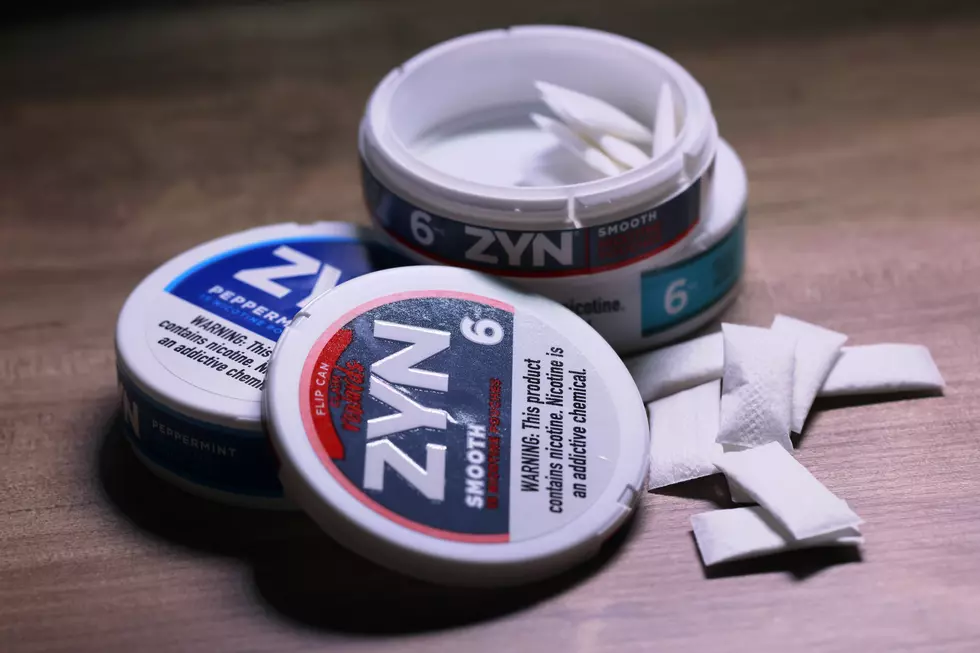
If caught selling products containing nicotine, such as snus and nasal snuff, individuals will face fines of 15000 to 20000 rubles (1500 to 2000 USD), officials will be fined 30000 to 50000 rubles (3000 to 5000 USD), and legal entities will be fined 100000 to 150000 rubles (10000 to 15000 USD).


For other violations in the retail of tobacco and nicotine products, fines may range from 10,000 to 20,000 rubles (100 to 200 USD) to 90,000 to 120,000 rubles (900 to 1200 USD).


We welcome news tips, article submissions, interview requests, or comments on this piece.

Please contact us at info@2firsts.com, or reach out to Alan Zhao, CEO of 2Firsts, on LinkedIn


Notice

1.  This article is intended solely for professional research purposes related to industry, technology, and policy. Any references to brands or products are made purely for objective description and do not constitute any form of endorsement, recommendation, or promotion by 2Firsts.

2.  The use of nicotine-containing products — including, but not limited to, cigarettes, e-cigarettes, nicotine pouchand heated tobacco products — carries significant health risks. Users are responsible for complying with all applicable laws and regulations in their respective jurisdictions.

3.  This article is not intended to serve as the basis for any investment decisions or financial advice. 2Firsts assumes no direct or indirect liability for any inaccuracies or errors in the content.

4.  Access to this article is strictly prohibited for individuals below the legal age in their jurisdiction.


Copyright


This article is either an original work created by 2Firsts or a reproduction from third-party sources with proper attribution. All copyrights and usage rights belong to 2Firsts or the original content provider. Unauthorized reproduction, distribution, or any other form of unauthorized use by any individual or organization is strictly prohibited. Violators will be held legally accountable.

For copyright-related inquiries, please contact: info@2firsts.com


AI Assistance Disclaimer


This article may have been enhanced using AI tools to improve translation and editorial efficiency. However, due to technical limitations, inaccuracies may occur. Readers are encouraged to refer to the cited sources for the most accurate information.

We welcome any corrections or feedback. Please contact us at: info@2firsts.com

Product | OXVA launches SlimStick X in Europe and the U.S., shifting from pre-filled to open-system refilling
OXVA has recently launched its new e-cigarette, the SlimStick X. Unlike its predecessor, the SlimStick, which used a pre-filled pod system, the SlimStick X adopts an open-system refillable design, featuring a 2ml pod, a 1.0Ω coil, and a 1400mAh battery. The product has entered online retail channels in markets including the United States, the United Kingdom, Greece, and Spain, with a price of about $23.99.
Mar.06 by 2FIRSTS.ai
HB 5437 “Vape Safety Act” advances in House committee, proposing statewide licensing for vape shops
A committee substitute for House Bill 5437, the Vape Safety Act sponsored by Del. David McCormick (David McCormick), was recommended Monday afternoon by the House Health and Human Resources Committee to the full House, with the bill next heading to the House Judiciary Committee. HB 5437 would require specialty shops selling tobacco, tobacco-derived products, alternative nicotine, or vapor products and accessories to obtain a state license from the Alcohol Beverage Control Administration (ABCA)
Feb.26 by 2FIRSTS.ai
Study Says Europe’s Illicit Disposable Vape Market to Reach EUR 6.6 Billion in 2026
A new study by the Fraunhofer Institute says the rapidly expanding illicit market for disposable e-cigarettes is undermining European regulation, fuelling youth vaping and causing significant tax losses. The study says the illicit market is worth EUR 6.6 billion in 2026 and is projected to rise to EUR 10.8 billion by 2030. It adds that a significant share of the disposable vape market now operates outside the regulatory framework established by the EU Tobacco Products Directive.
Mar.13 by 2FIRSTS.ai
Russia considers digital tagging for e-cigarette products to strengthen industry regulation
Russia is considering digitizing e-cigarette products for better industry regulation, aiming to protect consumers and prevent counterfeit products.
Feb.05 by 2FIRSTS.ai
Special Report | Breeze and Glas Seek White House Review as FDA Advances Flavored ENDS Guidance
Breeze Smoke and Glas, Inc. have separately requested White House review under Executive Order 12866 as the FDA advances draft guidance on flavored ENDS (RIN 0910-ZC78). The guidance aims to clarify evidentiary standards under the statutory “appropriate for the protection of public health” (APPH) framework. The parallel filings highlight industry concern over regulatory predictability, particularly as Glas’s PMTA review status has recently drawn market attention.
Special Report
Mar.03
IMF Article Sets Out Three Principles: Cover All Harmful Products, Match Tax Rates to Harm, Improve Cross-Border Coordination
A March 2026 article in Finance & Development, “Taxing Harmful Habits,” argues that taxes on harmful products such as tobacco, alcohol and sugary drinks should better reflect the health harm they cause. The authors propose three principles: capture all harmful products, align tax rates with health harm, and strengthen cross-border coordination to reduce evasion and smuggling.
Mar.24 by 2FIRSTS.ai