On July 14th, according to Harian Jogja, the Indonesian Civil Service Police Force (Satpol PP) in Sleman, in cooperation with the Yogyakarta Customs and Excise Office, is actively promoting the socialization of the Tobacco Consumption Tax Revenue Sharing Fund (DBHCHT) to crackdown on the illegal distribution of cigarettes. Through various social activities, including traditional Javanese performances, they aim to raise public awareness of legal tobacco products, reduce the circulation of illegal cigarettes, and ensure the maximum utilization of the Tobacco Consumption Tax Revenue Sharing Fund.
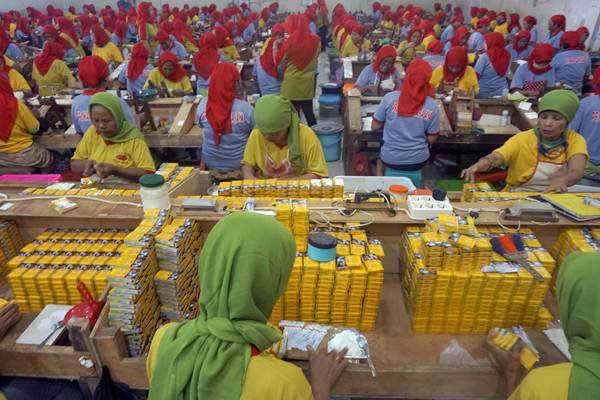
Regent Prince Kustini Sri Purnomo stated that the proper use of DBHCHT funds is crucial in supporting legal cigarette workers and tobacco farmers. The investment of funds will help maintain the quality of raw materials, promote industrial development, improve social environment, and strengthen the socialization of consumption tax regulations, effectively combating the circulation of illegal taxable goods. In addition, the regent prince further urged the public to refuse to purchase illegal cigarettes and other illegal goods to ensure the legality and safety of consumption.
The head of the Yogyakarta Customs Office, Muhammad Mirfuad, emphasized that only by completely eradicating the circulation of illegal cigarettes can the effective use of DBHCHT funds in the Sleman region be ensured. This has a positive impact on improving social welfare, especially for legal cigarette workers and tobacco farmers.
We welcome news tips, article submissions, interview requests, or comments on this piece.
Please contact us at info@2firsts.com, or reach out to Alan Zhao, CEO of 2Firsts, on LinkedIn
Notice
1. This article is intended solely for professional research purposes related to industry, technology, and policy. Any references to brands or products are made purely for objective description and do not constitute any form of endorsement, recommendation, or promotion by 2Firsts.
2. The use of nicotine-containing products — including, but not limited to, cigarettes, e-cigarettes, nicotine pouchand heated tobacco products — carries significant health risks. Users are responsible for complying with all applicable laws and regulations in their respective jurisdictions.
3. This article is not intended to serve as the basis for any investment decisions or financial advice. 2Firsts assumes no direct or indirect liability for any inaccuracies or errors in the content.
4. Access to this article is strictly prohibited for individuals below the legal age in their jurisdiction.
Copyright
This article is either an original work created by 2Firsts or a reproduction from third-party sources with proper attribution. All copyrights and usage rights belong to 2Firsts or the original content provider. Unauthorized reproduction, distribution, or any other form of unauthorized use by any individual or organization is strictly prohibited. Violators will be held legally accountable.
For copyright-related inquiries, please contact: info@2firsts.com
AI Assistance Disclaimer
This article may have been enhanced using AI tools to improve translation and editorial efficiency. However, due to technical limitations, inaccuracies may occur. Readers are encouraged to refer to the cited sources for the most accurate information.
We welcome any corrections or feedback. Please contact us at: info@2firsts.com