According to NL Times on December 3rd, Dutch MP Henk Vermeer has called for the repeal of the recently increased tobacco product consumption tax, as the actual revenue from this measure is lower than expected.
Cancer organization KWF Kankerbestrijding strongly opposes this, emphasizing that the purpose of increasing tobacco consumption tax is not to increase treasury revenue, but to deter young people from smoking.
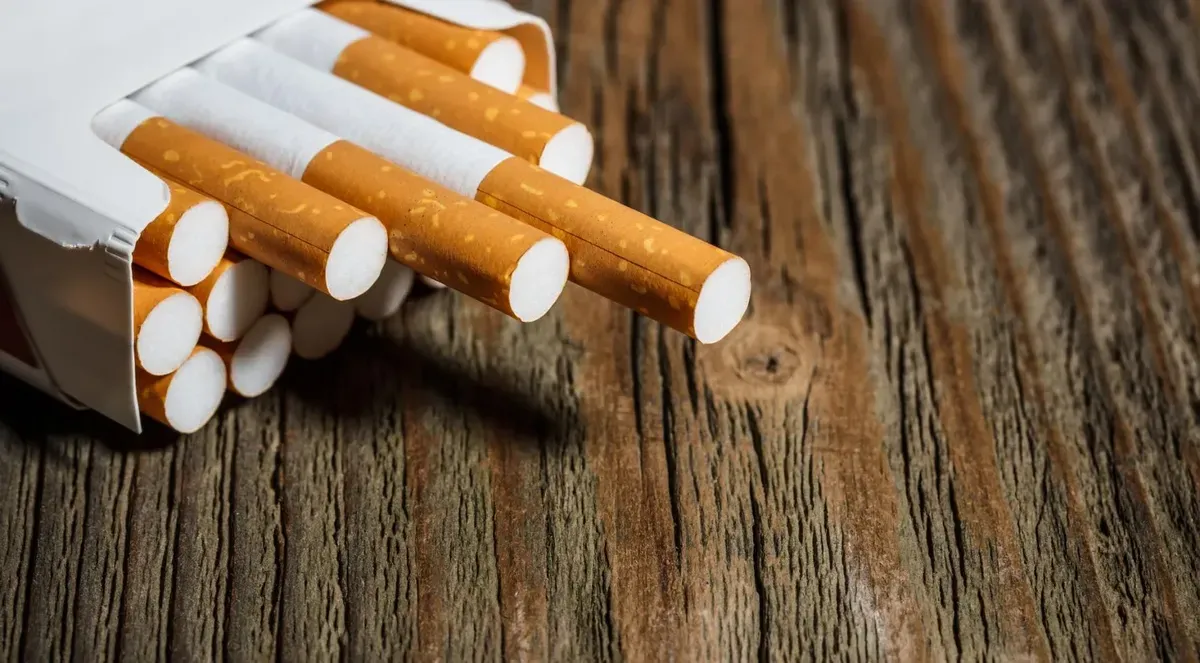
The excise duties on tobacco products have been significantly increased effective April 1st, with the tax on a 20-cigarette pack rising from 5.85 euros to 7.81 euros. The cost of buying a pack of cigarettes in the Netherlands has now exceeded 11 euros.
However, the revenue performance after the tax hike has been disappointing. The Ministry of Finance has confirmed to the media that the latest data shows that this tax increase will result in a revenue decrease of approximately 5.5 billion euros from expectations. The sales of tobacco products in the Netherlands have significantly decreased, leading to a reduction in tobacco consumption tax revenue.
According to a study by RIVM, approximately 10% of smokers have quit smoking due to price increases. Researchers also noted that the percentage of cigarettes imported from abroad has risen from 24-28% to 35-39%.
"These figures substantiate what I already predicted. The only thing that is decreasing is the government's tax revenue. While the number of smokers is not demonstrably decreasing. You're stealing from the treasury if you do not reverse the excise increase," Vermeer said.
The coalition party suggests that individuals who cross the border to purchase cigarettes are likely doing their other shopping there as well. "That also means less revenue from VAT and corporate tax," Vermeer said.
KWF Kankerbestrijding strongly opposes the notion of reducing cigarette prices. According to director Caral van Gils, the excise increase wasn't intended to boost government revenue, but rather to prevent young people from taking up smoking.
"Making cigarettes more expensive is very important and works. There is more than enough scientific evidence for that," she said.
We welcome news tips, article submissions, interview requests, or comments on this piece.
Please contact us at info@2firsts.com, or reach out to Alan Zhao, CEO of 2Firsts, on LinkedIn
Notice
1. This article is intended solely for professional research purposes related to industry, technology, and policy. Any references to brands or products are made purely for objective description and do not constitute any form of endorsement, recommendation, or promotion by 2Firsts.
2. The use of nicotine-containing products — including, but not limited to, cigarettes, e-cigarettes, nicotine pouchand heated tobacco products — carries significant health risks. Users are responsible for complying with all applicable laws and regulations in their respective jurisdictions.
3. This article is not intended to serve as the basis for any investment decisions or financial advice. 2Firsts assumes no direct or indirect liability for any inaccuracies or errors in the content.
4. Access to this article is strictly prohibited for individuals below the legal age in their jurisdiction.
Copyright
This article is either an original work created by 2Firsts or a reproduction from third-party sources with proper attribution. All copyrights and usage rights belong to 2Firsts or the original content provider. Unauthorized reproduction, distribution, or any other form of unauthorized use by any individual or organization is strictly prohibited. Violators will be held legally accountable.
For copyright-related inquiries, please contact: info@2firsts.com
AI Assistance Disclaimer
This article may have been enhanced using AI tools to improve translation and editorial efficiency. However, due to technical limitations, inaccuracies may occur. Readers are encouraged to refer to the cited sources for the most accurate information.
We welcome any corrections or feedback. Please contact us at: info@2firsts.com