Impact of New Tobacco Regulations on Dutch Retailers: Analysis

Dec.23.2024
Impact of New Tobacco Regulations on Dutch Retailers: Analysis
The number of registered tobacco shops in the Netherlands has increased by over 200, following new regulations.

According to NL Times on December 23, the number of registered tobacco shops in the Netherlands has nearly reached 1,675 by the end of 2024, representing an increase of over 200 from the 1,466 at the end of 2023.


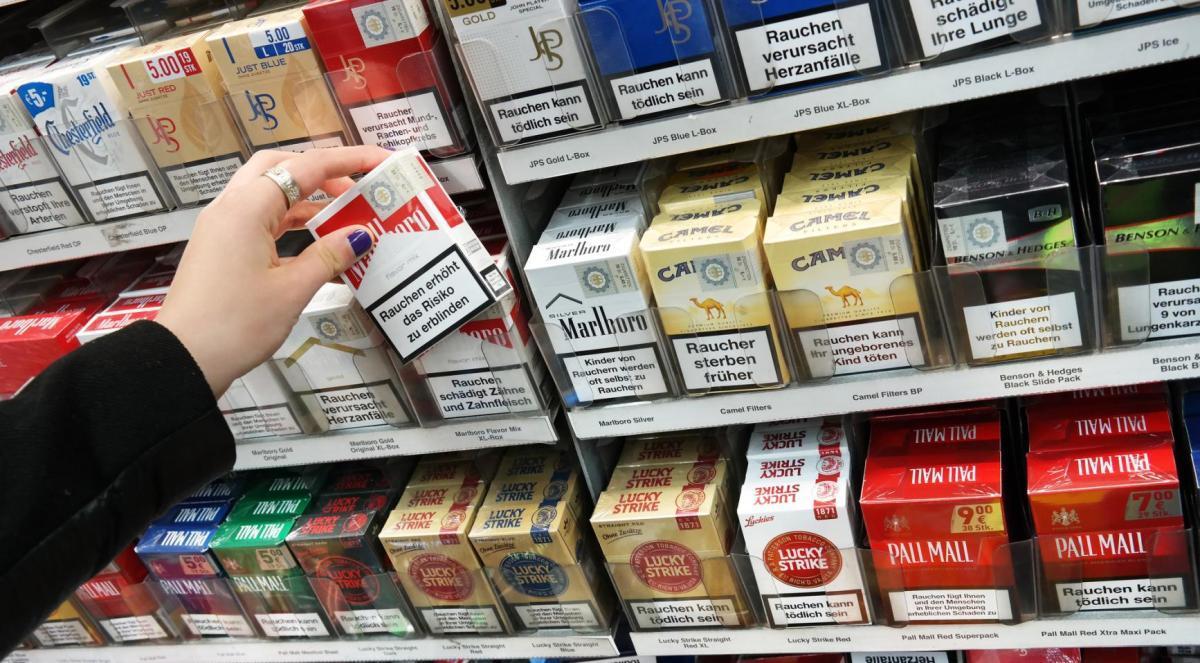
Since 2013, only a small number of tobacco shops have been registered with the Chamber of Commerce in the Netherlands (KvK), and in some years the number of tobacco shops has even decreased. This year's growth is believed to be related to the new regulations that came into effect on July 1. According to these regulations, supermarkets and snack bars are prohibited from selling cigarettes, e-cigarettes, and any other tobacco products.


Before the new policy took effect, chain supermarkets like Albert Heijn and Lidl had already stopped selling tobacco products. Smokers now can only purchase related products at tobacco shops, convenience stores, gas stations, and wholesalers.


According to data from KvK, the most significant increase in the number of tobacco and convenience stores was observed in the provinces of Flevoland and South Holland. In Flevoland, the number of tobacco stores increased from 19 to 29, a growth of over 50%. Meanwhile, South Holland saw a net increase of 109 stores, with a growth rate of 26%.


The tobacco industry association NSO Retail states that, due to the implementation of a sales ban, tobacco shops have seen a significant increase in revenue. Meanwhile, the trade organization Drive also points out that gas stations have benefited from this.


We welcome news tips, article submissions, interview requests, or comments on this piece.

Please contact us at info@2firsts.com, or reach out to Alan Zhao, CEO of 2Firsts, on LinkedIn


Notice

1.  This article is intended solely for professional research purposes related to industry, technology, and policy. Any references to brands or products are made purely for objective description and do not constitute any form of endorsement, recommendation, or promotion by 2Firsts.

2.  The use of nicotine-containing products — including, but not limited to, cigarettes, e-cigarettes, nicotine pouchand heated tobacco products — carries significant health risks. Users are responsible for complying with all applicable laws and regulations in their respective jurisdictions.

3.  This article is not intended to serve as the basis for any investment decisions or financial advice. 2Firsts assumes no direct or indirect liability for any inaccuracies or errors in the content.

4.  Access to this article is strictly prohibited for individuals below the legal age in their jurisdiction.


Copyright


This article is either an original work created by 2Firsts or a reproduction from third-party sources with proper attribution. All copyrights and usage rights belong to 2Firsts or the original content provider. Unauthorized reproduction, distribution, or any other form of unauthorized use by any individual or organization is strictly prohibited. Violators will be held legally accountable.

For copyright-related inquiries, please contact: info@2firsts.com


AI Assistance Disclaimer


This article may have been enhanced using AI tools to improve translation and editorial efficiency. However, due to technical limitations, inaccuracies may occur. Readers are encouraged to refer to the cited sources for the most accurate information.

We welcome any corrections or feedback. Please contact us at: info@2firsts.com

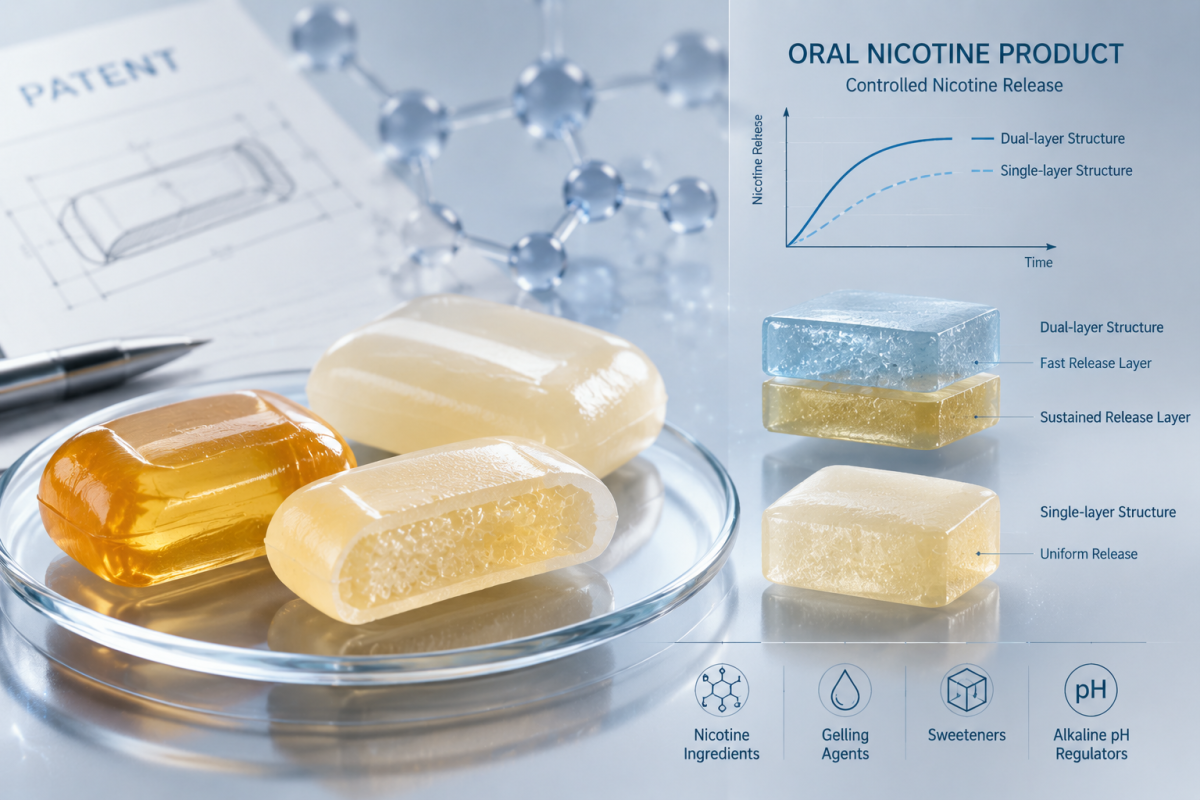
From Nicotine Pouches to Soft Candy Forms: China Tobacco Hubei explores adjustable-release oral nicotine products
China-based China Tobacco Hubei Industrial Co., Ltd. has filed a patent application covering an oral nicotine product and its preparation method. The patent proposes a soft candy-shaped oral nicotine product containing nicotine ingredients, gelling agents, sweeteners and alkaline pH regulators. Through formulation adjustments and homogeneous or dual-layer structures, the technology aims to achieve different nicotine release profiles. The filing reflects exploration of new oral nicotine product formats and controlled nicotine delivery approaches.
Aug.06
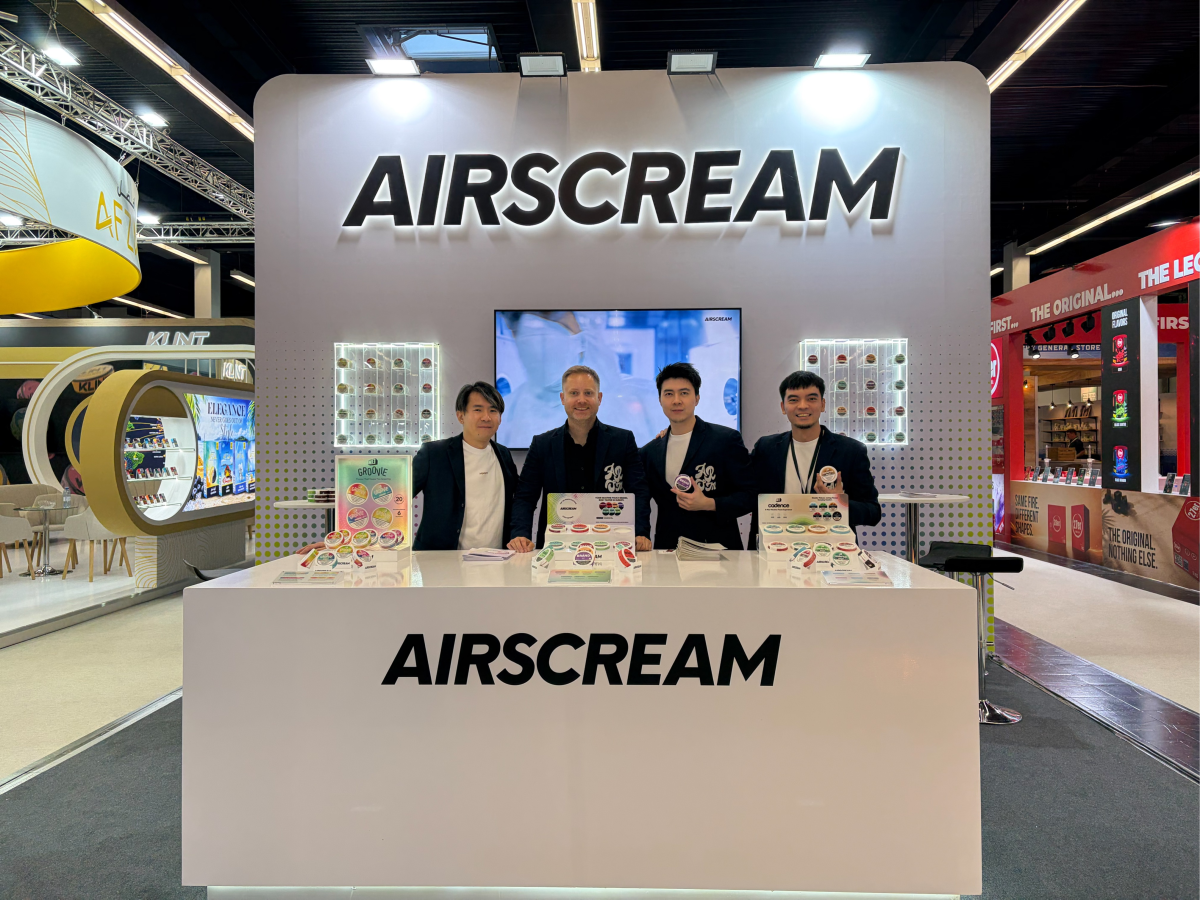
Why AIRSCREAM Built its European Production Hub for Regulated Market Growth
AIRSCREAM’s production hub in the Czech Republic brings nicotine pouch manufacturing, e-liquid bottling, product documentation, warehousing and international logistics into one operation, giving brands and commercial partners a practical platform from which to launch, expand and enter new markets.
Market
Sep.16 by 2Firsts Perspectives
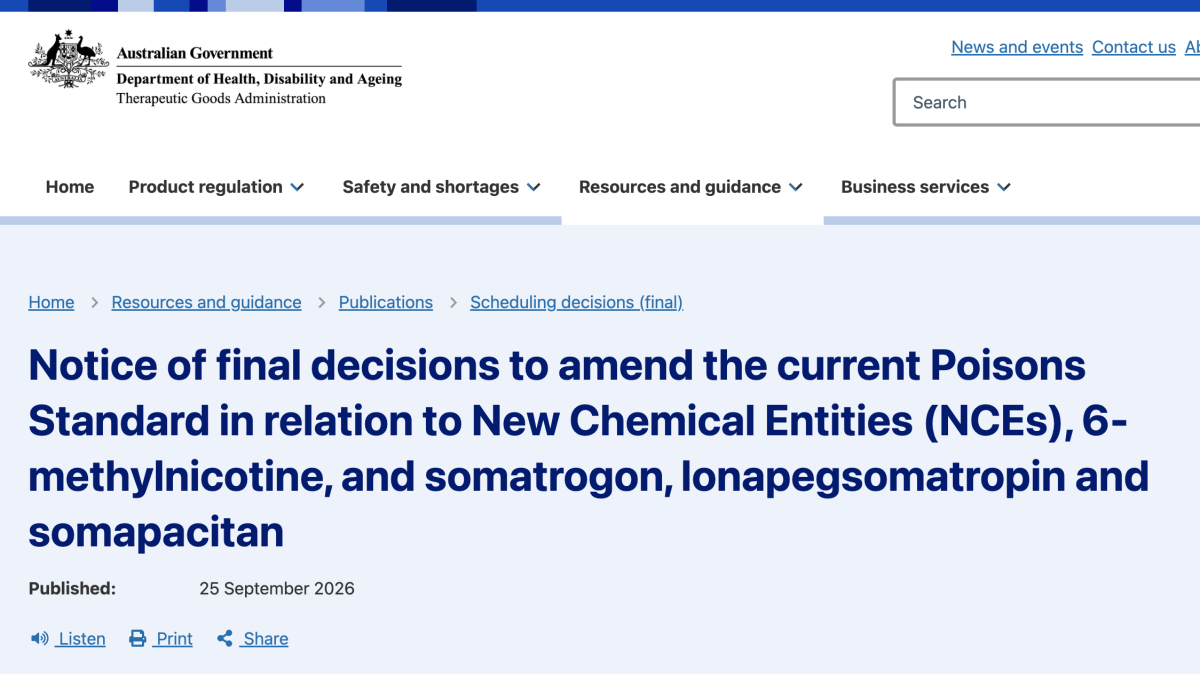
Australia Adds 6-Methylnicotine to Schedule 9 Prohibited Substances, Effective October 1
Australia's Therapeutic Goods Administration published a final decision on September 25 to classify 6-methylnicotine as a Schedule 9 prohibited substance under the Poisons Standard, effective October 1, 2026. TGA said the chemical has been reported in e-cigarette liquids sold in Australia and marketed as nicotine-free or nicotine alternatives, while evidence also indicates its use in preparations such as oral pouches. The government originally proposed a Schedule 7 classification but ultimately adopted the stricter Schedule 9 designation, citing acute toxicity, dependence risk, use in unapproved consumer products and misleading marketing.
News
Sep.29 by 2Firsts Perspectives
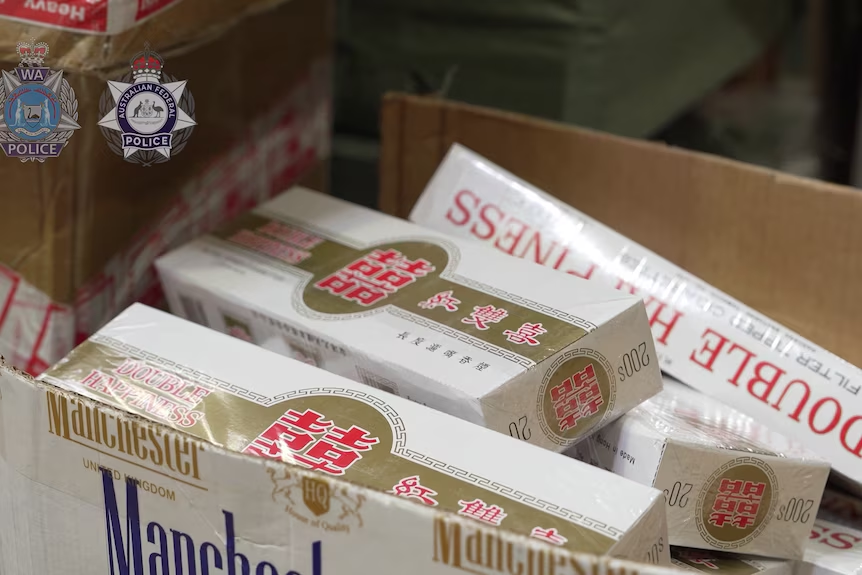
Australia’s One Nation Proposes 75% Tobacco Tax Cut, Says Lower Prices Could Hit Illicit Market
Australia’s One Nation party has proposed cutting tobacco excise by 75%, arguing that lower legal cigarette prices could narrow the gap with illicit tobacco and reduce demand for black-market products. The proposal comes as Australia continues expanding enforcement against illicit tobacco supply chains through border controls, retail inspections and organised-crime investigations. Supporters argue high taxes have contributed to illicit-market growth, while opponents warn that lower tobacco prices could undermine public-health goals. The proposal is a party policy position and has not been adopted by the Australian government.
Aug.18
Malaysia’s Vape Rules Face Review as Health Minister Dzulkefly Ahmad Addresses Dropped Nicotine Appeal
According to Free Malaysia Today on August 26, 2026, Malaysia’s Health Minister Dzulkefly Ahmad said the Health Ministry would explain the government’s decision to withdraw its appeal against a High Court ruling involving the exemption of liquid nicotine used in vape products from the Poisons List. The High Court previously ruled that the exemption decision was irrational. Dzulkefly said withdrawing the appeal did not mean the government would stop regulating vaping, and that future regulatory approaches would continue under existing legal frameworks.
Aug.28
U.S. Expands Illicit Vape Enforcement as ATF Brings PACT Act Powers Into Trade Fraud Task Force
The U.S. Bureau of Alcohol, Tobacco, Firearms and Explosives said on September 23 that it has joined the interagency Trade Fraud Task Force to strengthen enforcement against illegal, misdeclared and smuggled vape and tobacco products. ATF will bring its authority under the Prevent All Cigarette Trafficking Act into the task force, including registration, reporting, shipping and record-inspection requirements covering interstate sales of electronic nicotine delivery systems. ATF said the move will strengthen its ability to trace illicit products from U.S. points of entry through domestic trafficking and distribution networks.
News
Sep.28 by 2Firsts Perspectives