Malaysia Collected US$50.07 million in Vape Tax Since April 2023

Nov.06.2025
Malaysia Collected US$50.07 million in Vape Tax Since April 2023
Malaysia collected RM209.5 million(US$50.07 million) in excise duty on nicotine-containing vape liquids and gels from April 2023 to August 2025, according to Finance Ministry data. However, Health Minister Dr Dzulkefly Ahmad said RM223.5 million was spent treating EVALI patients in the past year alone, exceeding the tax revenue.

 Key Points


  • The government collected RM209.5 million(US$50.07 million) in excise duty from nicotine vape products between April 2023 and August 2025.
  • Health Minister Dr Dzulkefly Ahmad reported RM223.5 million(US$53.42 million) spent on EVALI treatment in the past year.
  • The average treatment cost per patient was RM150,892.11, with a 12-day hospitalisation period.
  • Since the Control of Smoking Products for Public Health Act took effect on Oct 1, 2024, six severe EVALI cases have been recorded.
  • From 2019 to September 2025, 46 EVALI cases were reported nationwide. The ministry will continue to strengthen control measures.


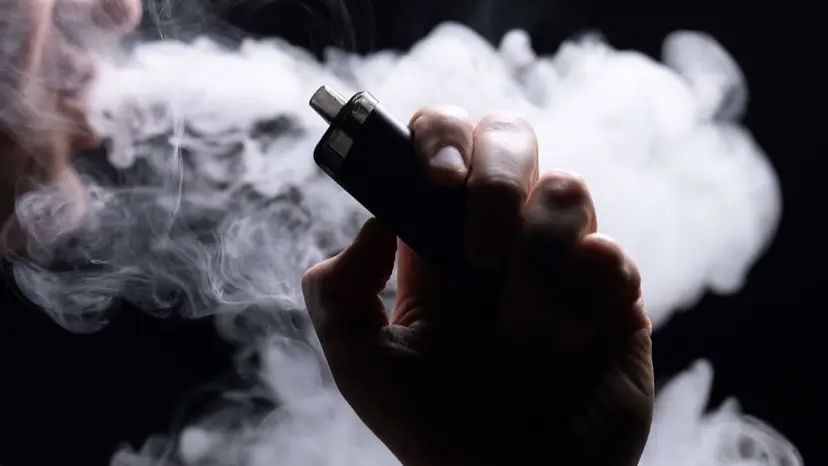
According to Finance Ministry data, Malaysia collected RM209.5 million(approximately US$50.07 million) in excise duty on nicotine-containing liquids and gels used in vapes and e-cigarettes from April 2023 to August 2025.


However, Health Minister Datuk Seri Dr Dzulkefly Ahmad said the amount is lower than the RM223.5 million(US$53.42 million) spent on treating patients suffering from e-cigarette or vaping product use-associated lung injury (EVALI) in the past year.


“The average treatment cost per EVALI patient is RM150,892.11, with an average hospitalisation period of 12 days,” he said in a written parliamentary reply to Datuk Alias Razak (PN–Kuala Nerus).


Alias had asked for the total excise duty collected on nicotine between April 2023 and September 2023, and how it compared to treatment costs for EVALI patients during the same period.


The excise duty on nicotine-containing vape liquids and gels was introduced on April 1, 2023, at a rate of 40 sen per millilitre.


Dzulkefly added that since the Control of Smoking Products for Public Health Act 2024 came into effect on Oct 1 last year, six severe EVALI-related lung complications have been reported up to September this year.


“Overall, from 2019 to September this year, the ministry has recorded 46 EVALI cases nationwide. The ministry will continue to monitor the impact of vape use on public health and strengthen control measures through full enforcement of the act,” he said.


Image Source:New Straits Times

We welcome news tips, article submissions, interview requests, or comments on this piece.

Please contact us at info@2firsts.com, or reach out to Alan Zhao, CEO of 2Firsts, on LinkedIn


Notice

1.  This article is intended solely for professional research purposes related to industry, technology, and policy. Any references to brands or products are made purely for objective description and do not constitute any form of endorsement, recommendation, or promotion by 2Firsts.

2.  The use of nicotine-containing products — including, but not limited to, cigarettes, e-cigarettes, nicotine pouchand heated tobacco products — carries significant health risks. Users are responsible for complying with all applicable laws and regulations in their respective jurisdictions.

3.  This article is not intended to serve as the basis for any investment decisions or financial advice. 2Firsts assumes no direct or indirect liability for any inaccuracies or errors in the content.

4.  Access to this article is strictly prohibited for individuals below the legal age in their jurisdiction.


Copyright


This article is either an original work created by 2Firsts or a reproduction from third-party sources with proper attribution. All copyrights and usage rights belong to 2Firsts or the original content provider. Unauthorized reproduction, distribution, or any other form of unauthorized use by any individual or organization is strictly prohibited. Violators will be held legally accountable.

For copyright-related inquiries, please contact: info@2firsts.com


AI Assistance Disclaimer


This article may have been enhanced using AI tools to improve translation and editorial efficiency. However, due to technical limitations, inaccuracies may occur. Readers are encouraged to refer to the cited sources for the most accurate information.

We welcome any corrections or feedback. Please contact us at: info@2firsts.com

South Korea Vape Strategies Diverge as BAT Reconsiders Exit and PMI Takes VEEV to About 14,000 Stores
BAT Rothmans says it previously considered exiting South Korea's vaping market because of competitive pressure from unregulated products, but is now reassessing conditions following changes to the country's nicotine regulatory framework. Vuse and other BAT vaping products remain available through existing distribution channels. The statement followed a South Korean media report that interpreted BAT's broader withdrawal from selected Vapour markets as a full exit from South Korea. Meanwhile, Philip Morris International launched VEEV inPRIME in the country in June and began expanding distribution to around 14,000 convenience stores and other retail channels in July. The contrasting moves highlight differing investment strategies as South Korea's regulated vaping market evolves.
Aug.14
Japan’s Heated Tobacco Tax Reform Drives Price Increase as JT Raises All Ploom Sticks by ¥40
Japan Tobacco Inc. (JT) has applied to Japan’s finance minister for approval to revise retail prices of its Ploom heated tobacco sticks following planned changes to the heated tobacco tax system from October 1, 2026. If approved, all 31 Ploom stick products will increase by ¥40. After the adjustment, EVO products will cost ¥620 per 20-stick pack, MEVIUS products ¥590 and CAMEL products ¥570. JT said the price revision is intended to respond to tax changes while maintaining product quality and brand value. The tax reform is expected to narrow the tax gap between combustible cigarettes and heated tobacco products, potentially reshaping pricing strategies in Japan’s heated tobacco market.
Jul.22
How AI Is Rewriting the Talent Playbook for the Nicotine Industry: JTI’s Case
AI is moving from a back-office tool to a core organizational capability in the nicotine industry. Based on JTI’s responses, this 2Firsts feature examines how AI is reshaping talent strategy, internal mobility, decision-making and human accountability as global tobacco companies compete in the shift toward new nicotine categories.
Jun.17
UK Disposable Vape Ban Marks One Year as Adult Use Falls to 8% and Youth Use to 13%
One year after the UK ban on single-use disposable vapes took effect, YouGov data commissioned by Action on Smoking and Health shows that 13% of 11-17-year-old vapers and 8% of adult vapers now mainly use disposable products.
Jun.18
Reuters: Shopify May Ban All Vape Sales This Week Amid Illegal Market Crackdown
Reuters reported that Shopify may ban all vape products from its platform as soon as this week, signaling that U.S. enforcement against the illegal vape market is expanding from retailers and importers to e-commerce platforms and payment networks.
MarketBAT
Jun.23 by 2Firsts Perspectives
Japan’s Heated Tobacco Tax Changes Reshape Consumer Choices, Survey Reveals Impact of Price and Income
A consumer survey by Japanese heated tobacco information platform RELAZO found that rising tobacco prices and planned heated tobacco tax changes may influence smoking decisions among Japanese consumers. The survey covered 49,879 men and women aged 20 to 69 nationwide. It found that around 40% of respondents cumulatively indicated they may consider quitting when a pack reaches ¥600 (approximately US$4.1), while nearly 90% expressed potential quitting intentions at a ¥1,000 (approximately US$6.8) price level. The survey also found significant differences by income level, with lower-income respondents showing greater sensitivity to price increases.
Jul.24