Study Shows Potential Loss of Tax Revenue from E-Cigarette Trade

Sep.29.2024
Study Shows Potential Loss of Tax Revenue from E-Cigarette Trade
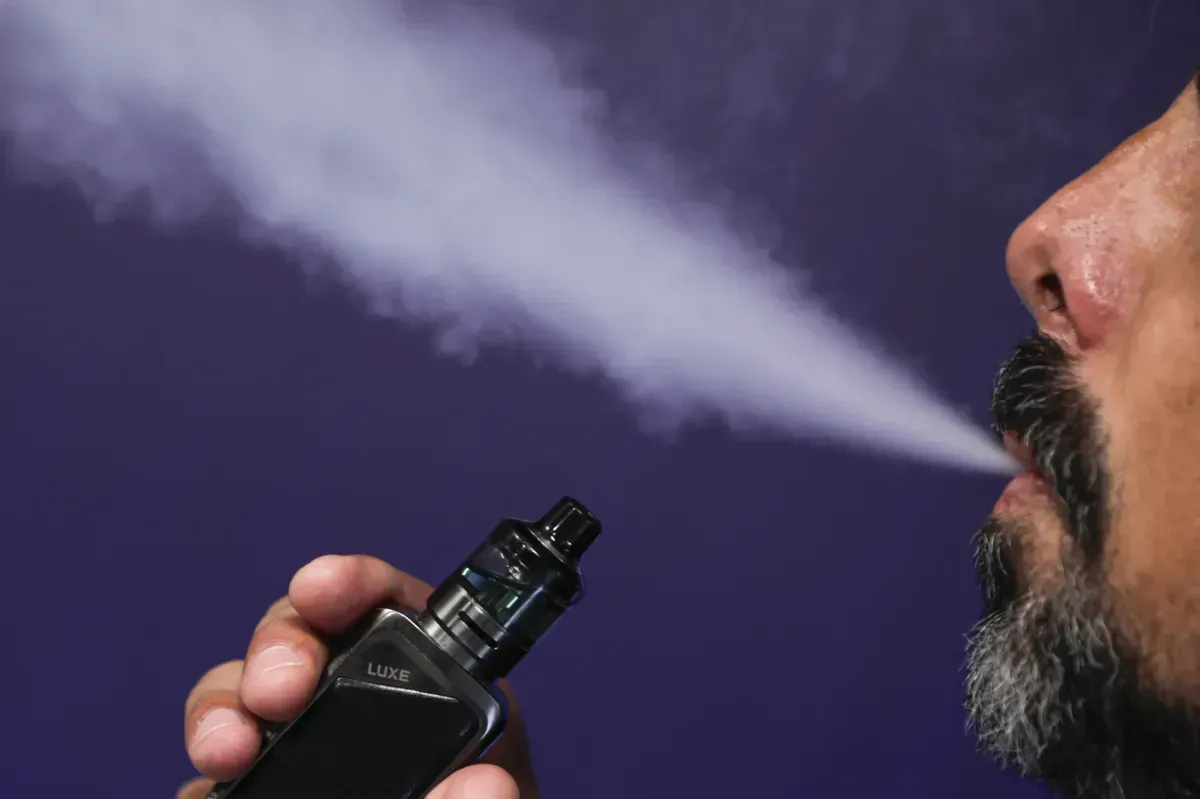
A study from ESEM at the University of São Paulo shows that Brazil could lose $1.4 billion in tax revenue by 2025 due to illegal e-cigarette trade.

According to a report from Oparana on September 28th, a study conducted by the International Relations Institute (IRI) of the University of São Paulo's Institute of Multidimensional Security (ESEM) shows that Brazil could lose 7.7 billion reais (1.4 billion US dollars) in state and federal taxes by 2025 due to illegal e-cigarette trading.


A study maintaining a conservative outlook on market growth and monthly consumption predicts that if e-cigarette devices (DEFs) are taxed properly, Brazil could see tax revenues reaching 10.3 billion Brazilian reais (1.9 billion USD) by 2028. The study is based on research conducted by the Minas Gerais Industry Federation (FIEMG), which identified a potential market of 3.3 million e-cigarette users in Brazil.


Professor Leandro Piquet of the School of Multidimensional Security at the University of São Paulo explained that...


The illegal trade of e-cigarettes relies on four main pillars: bans, smuggling, corruption of public institutions, and digital sales.


One particular feature of this market is that the majority of its retail is done through the internet, making it easy to purchase even banned products through digital channels.


Researchers have stated that even in illegal circumstances, consumption levels continue to rise, leading to public doubts about the effectiveness of current policies. They believe that appropriate regulations and taxes may be a more feasible solution, which can both combat the illegal market and address related public safety issues.


We welcome news tips, article submissions, interview requests, or comments on this piece.

Please contact us at info@2firsts.com, or reach out to Alan Zhao, CEO of 2Firsts, on LinkedIn


Notice

1.  This article is intended solely for professional research purposes related to industry, technology, and policy. Any references to brands or products are made purely for objective description and do not constitute any form of endorsement, recommendation, or promotion by 2Firsts.

2.  The use of nicotine-containing products — including, but not limited to, cigarettes, e-cigarettes, nicotine pouchand heated tobacco products — carries significant health risks. Users are responsible for complying with all applicable laws and regulations in their respective jurisdictions.

3.  This article is not intended to serve as the basis for any investment decisions or financial advice. 2Firsts assumes no direct or indirect liability for any inaccuracies or errors in the content.

4.  Access to this article is strictly prohibited for individuals below the legal age in their jurisdiction.


Copyright


This article is either an original work created by 2Firsts or a reproduction from third-party sources with proper attribution. All copyrights and usage rights belong to 2Firsts or the original content provider. Unauthorized reproduction, distribution, or any other form of unauthorized use by any individual or organization is strictly prohibited. Violators will be held legally accountable.

For copyright-related inquiries, please contact: info@2firsts.com


AI Assistance Disclaimer


This article may have been enhanced using AI tools to improve translation and editorial efficiency. However, due to technical limitations, inaccuracies may occur. Readers are encouraged to refer to the cited sources for the most accurate information.

We welcome any corrections or feedback. Please contact us at: info@2firsts.com

French Anti-Tobacco Group Questions PMI’s IQOS “Curiosity” Campaign Over Potential Youth Appeal
According to French anti-tobacco group Générations Sans Tabac, Philip Morris International’s (PMI) IQOS “Curiosity” campaign has drawn attention from public health advocates. The group argues that the campaign uses themes including curiosity, exploration and lifestyle branding that could increase interest among younger audiences. PMI has positioned IQOS as a key part of its smoke-free product strategy, while France maintains strict restrictions on tobacco and nicotine product marketing. The debate highlights ongoing tensions between heated tobacco branding strategies and public health concerns in Europe.
Jul.24
Reuters: India Seeks to Dismiss Adani Nicotine Pouch Challenge as Mumbai Airport Dispute Moves to Court
Reuters reported on July 13, 2026, that India is seeking to dismiss Adani Airports’ legal challenge over nicotine pouch sales at Mumbai International Airport’s duty-free shops. Adani denies wrongdoing and argues that existing drug and cosmetics regulations do not apply to duty-free sales or nicotine pouches.
Innovation
Jul.14 by 2Firsts Perspectives
Special Report|South Korean Lawmaker Queries China Tobacco Regulator Over Synthetic Nicotine as Export-Rule Gaps Emerge
A South Korean lawmaker has asked China’s tobacco regulator to clarify rules for e-cigarettes containing synthetic nicotine amid questions over product declarations and possible tax losses. The dispute exposes gaps between Chinese export requirements and destination-market rules, while underscoring the global impact of China’s licensing and traceability policies.
Jul.10
Indonesia’s BNN Pushes Total Vape Ban as Health Ministry Tightens Tobacco Packaging Rules, Putting $40 Billion Industry at Risk
Indonesia is entering a new phase of debate over vape and tobacco regulation. The National Narcotics Agency (BNN) has proposed a total vape ban, with some lawmakers supporting stronger restrictions. At the same time, the Health Ministry is advancing tobacco and nicotine regulations under Government Regulation No. 28/2024, including measures such as plain packaging and product controls. Tobacco and vape industries have warned that tighter rules could affect a sector worth around $40 billion, supporting about 6 million jobs and contributing significant tax revenue.
Jul.27
Kaival Brands Explores Nicotine Pouches as Smaller Nicotine Companies Seek Smoke-Free Growth
U.S. nicotine company Kaival Brands Innovations Group is exploring opportunities in nicotine pouches and other modern nicotine products, reflecting a broader shift among smaller nicotine businesses beyond traditional vaping products.
Jul.17
JT’s Ploom Volumes Rise 43.5% as Cigarettes Anchor Its Transition
JT’s Ploom heated-tobacco volumes rose 43.5% in the first half of 2026, while combustibles still represented about 97% of its tobacco volume and remained the main earnings base. In Japan, reduced-risk products now account for 48.7% of industry shipments, shifting competition from category adoption towards brand share, pricing and consumer retention. JT’s results offer a revealing case of a traditional tobacco company pursuing a prolonged, dual-track transformation.
JTI
Jul.30